Samsung’s $2,000 Galaxy Fold Faces Early Durability Crisis as Review Units Fail
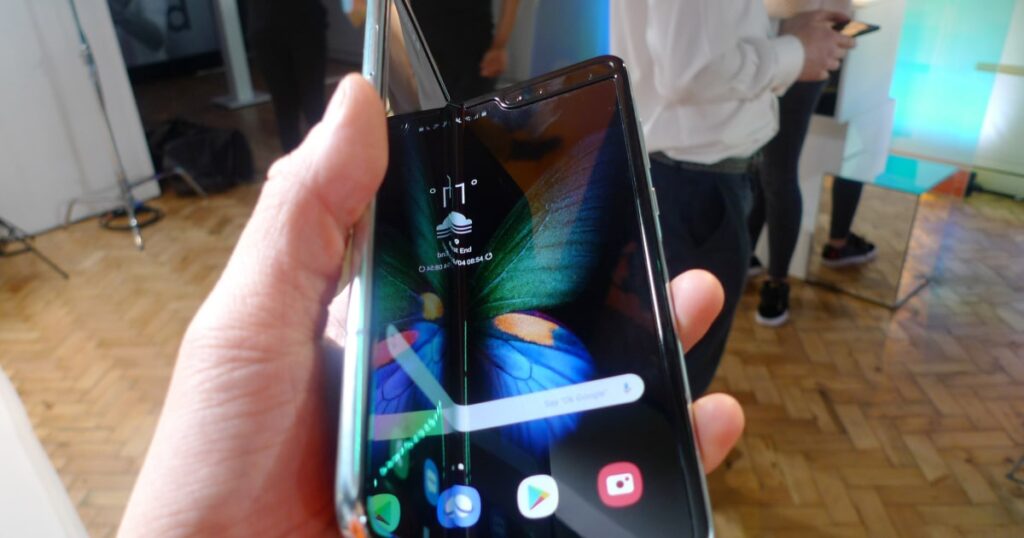
Table of Contents
Early failures cast doubt on Samsung’s foldable ambitions
Samsung is facing a critical reliability hurdle with its most ambitious hardware play to date. The Galaxy Fold, positioned as a luxury disruptor with a price tag of $1,980, is reportedly suffering from catastrophic screen failures among the very journalists tasked with reviewing the device before its public launch.
Reports from high-profile tech reviewers indicate a troubling pattern: the internal folding display—the device’s primary selling point—is flickering, turning black, and in some cases, becoming completely unresponsive within just 48 hours of use. For a device targeting the ultra-premium segment, these failures aren’t just technical glitches; they are a significant blow to the perceived viability of foldable glass and plastic substrates in a consumer environment.
The ‘Protective Layer’ controversy
Initial reactions from Samsung suggest the issues may be user-induced, specifically regarding a thin, factory-applied protective film on the inner screen. Some early adopters and reviewers mistakenly believed this layer was a temporary shipping protector intended for removal. Two journalists admitted to peeling back the film, which Samsung now clarifies is a critical component of the display’s structural integrity.
However, the ‘user error’ narrative is beginning to crumble. Reporters from The Verge and CNBC report that their units failed despite the protective film remaining untouched. A video demonstration from CNBC’s Todd Haselton showcases a device that is virtually unusable, with the left side of the internal screen flashing intermittently while the right side remains dead. This suggests a systemic hardware vulnerability rather than a failure of user instruction.
A gamble on materials and metrics
To justify the nearly $2,000 entry price, Samsung has leaned heavily on its lab-tested durability metrics. The company claims the Galaxy Fold’s hinge and screen can withstand 200,000 folds—roughly 100 opens and closes per day for five years. But there is a wide gap between a controlled robotic arm in a Seoul laboratory and the chaotic reality of a journalist’s pocket or a user’s handbag.
The device’s architecture, which allows it to transition from a standard smartphone form factor to a small tablet, introduces a physical point of failure at the crease. While the crease is an expected aesthetic compromise, the total loss of image and touch functionality suggests a failure in the underlying OLED circuitry or the adhesive layers that bond the flexible display to its chassis.
The ghost of the Note 7
For Samsung, these reports are arriving at a sensitive time. The company is still haunted by the 2016 Galaxy Note 7 disaster, where defective batteries led to global recalls and a massive blow to the brand’s reputation for quality control. While a flickering screen is far less dangerous than a combustion event, the optics remain similar: a rushed flagship product that fails under the scrutiny of the professional press.
Samsung has acknowledged the reports, stating it intends to “thoroughly inspect these units in person to determine the cause of the matter.” This reactive stance leaves a lingering question for potential buyers: is the Galaxy Fold a refined piece of technology ready for the mass market, or is it an expensive beta test for the public?
The device is slated for a U.S. release on April 26. Whether Samsung modifies the hardware or simply doubles down on the necessity of the protective layer, the early failure rate among reviewers may dampen the enthusiasm for one of the most expensive phones ever released.


