Honor Targets the Mid-Range Gap with the New Pad 20 Tablet
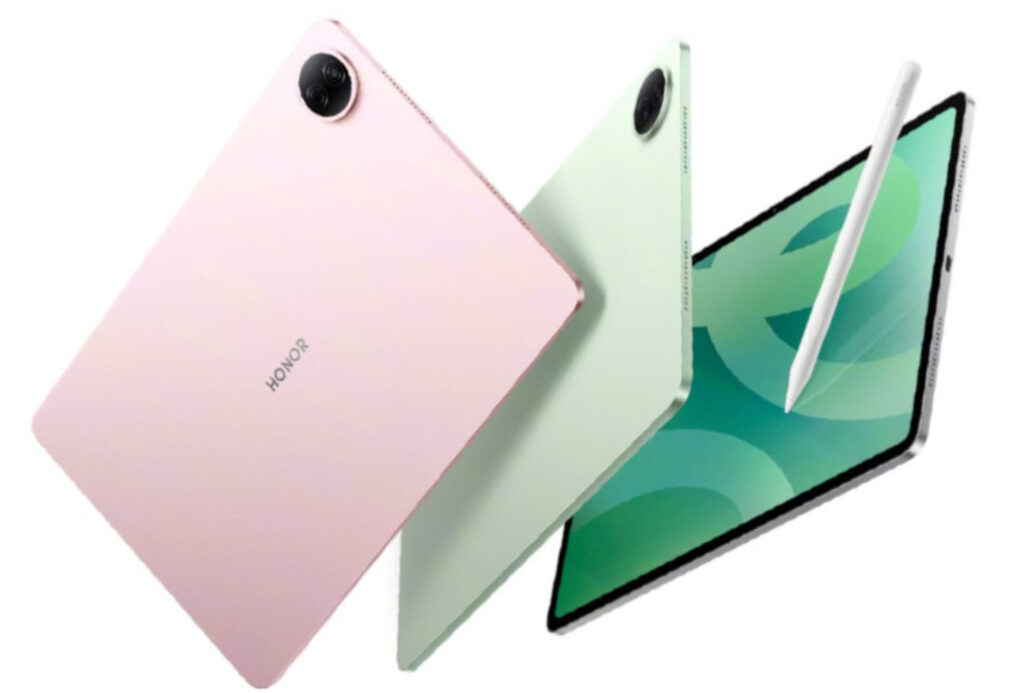
Table of Contents
A Strategic Play for the Mid-Tier Market
Honor has expanded its hardware portfolio with the debut of the Pad 20, a device that seems specifically engineered to bridge the gap between entry-level media tablets and high-end productivity machines. Unveiled during a broader product showcase that included new wearables and smartphones, the Pad 20 doesn’t aim for raw power, but rather for an oversized footprint and long-term endurance.
The centerpiece of the device is a 12.1-inch IPS LCD panel. While OLED remains the gold standard for contrast, Honor has pushed the brightness of this LCD to 700 nits, making it viable for use in brightly lit environments. The resolution sits at 3000 x 1872 pixels, paired with a 120Hz refresh rate that ensures smooth scrolling and animations—a necessity for any modern device attempting to compete with the iPad Air or Samsung’s Galaxy Tab S series.
The ‘Soft Light’ Alternative
Interestingly, Honor is offering a “Soft Light” edition of the Pad 20. This isn’t just a marketing moniker; it refers to a matte-finished display designed to reduce glare and mimic the feel of paper. This move targets a specific demographic of students and digital readers who find the mirrored finish of standard glass screens fatiguing during long study sessions. Given the rise of e-ink tablets, this hybrid approach—combining the color and speed of an LCD with a matte texture—is a calculated attempt to capture the reading market without sacrificing multimedia capabilities.
Performance and Internal Architecture
Under the hood, the Pad 20 is powered by the Qualcomm Snapdragon 7 Gen 3. While not as potent as the 8-series chips found in flagship tablets, the 7 Gen 3 is an efficiency-first processor that handles multitasking and streaming with ease. Honor has paired this silicon with a variety of memory configurations, ranging from a baseline 6GB of RAM up to a more robust 12GB for power users.
The most striking spec, however, is the battery. At 10,100 mAh, the Pad 20 carries significantly more capacity than many of its competitors. To mitigate the downtime associated with such a large cell, Honor has implemented 66W fast charging, ensuring that users aren’t tethered to a wall outlet for half the day. When combined with the power-sipping nature of the Snapdragon 7 Gen 3, the device is positioned as a marathon runner for content consumption.
Software and Ecosystem Integration
On the software side, the Pad 20 ships with MagicOS 16, built upon Android 16. The inclusion of the latest Android version suggests Honor is prioritizing long-term software support, while MagicOS brings a suite of productivity features geared toward multitasking. These include split-screen views and floating windows, allowing the 12.1-inch screen to act more like a laptop replacement than a simple oversized phone.
For audio, Honor opted for a six-speaker array, a significant upgrade over the standard quad-speaker setups. This, combined with dual microphones, suggests the device is being marketed as a hub for both video conferencing and cinematic media playback.
Pricing and Availability
Honor has adopted a tiered pricing strategy to maximize market penetration. The entry-level model (6GB RAM / 128GB storage) starts at $310, making it an aggressive competitor in the budget sector. Those needing more headroom can opt for the 8GB/128GB version at $340, or the 8GB/256GB variant at $450. The top-tier 12GB RAM and 256GB storage model reaches $500, while the specialized Soft Light edition is priced at $370.
The device is available in gray, green, and pink, maintaining a slim profile at 6.29 mm and a total weight of 525 grams—a respectable balance given the massive battery capacity.


