Piper Sandler Bets on Oil Spike as Strait of Hormuz Closure Defies Diplomacy
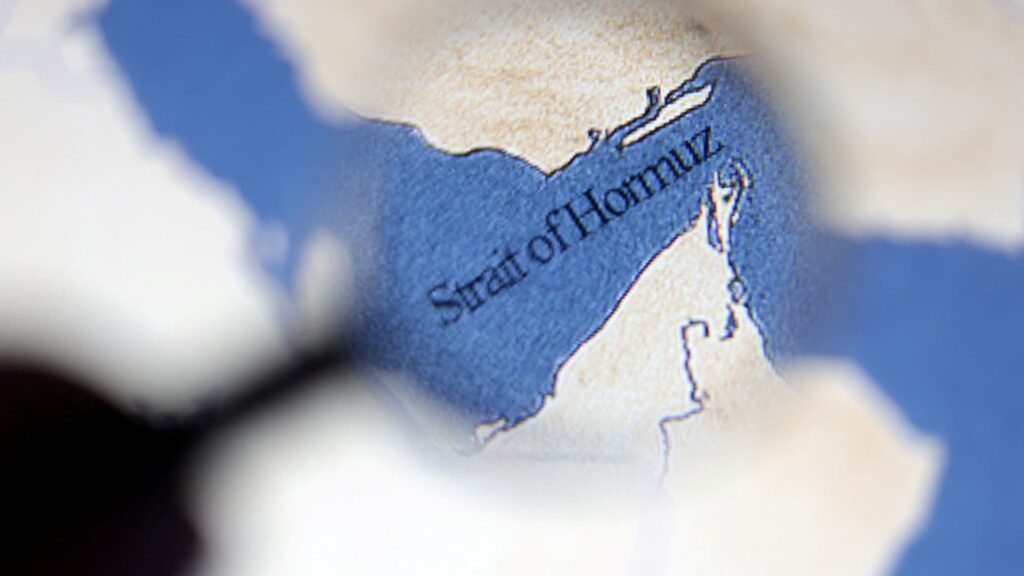
Table of Contents
A Clash of Narratives: Diplomacy vs. Market Reality
While the White House suggests a breakthrough in diplomatic relations with Tehran is imminent, the analysts at Piper Sandler are issuing a starkly different warning to their clients. In a recent note from the investment bank’s energy and macro teams, the firm argues that the optimism surrounding a potential Iran deal is premature, predicting that the Strait of Hormuz—the world’s most critical oil chokepoint—will remain largely closed for months.
The divergence in perspective creates a volatile environment for West Texas Intermediate (WTI) futures. Despite a recent bounce back following claims from President Donald Trump that an agreement has been “largely negotiated,” the physical reality on the water tells a different story. Vessel tracking data indicates that commercial traffic through the narrow passage has plummeted to near zero since the escalation of conflict, fundamentally altering the risk profile for global energy markets.
The Logistics of a Chokepoint
The Strait of Hormuz is not merely a geographic landmark; it is the primary artery for approximately one-fifth of the world’s seaborne oil. Beyond crude, it is indispensable for the transit of Liquefied Natural Gas (LNG), particularly shipments moving from the Middle East to energy-hungry markets in Asia.
Piper Sandler asserts that the return of commercial traffic to even 50% of pre-crisis levels is unlikely in the immediate future. This pessimism is grounded in the current tactical stalemate. While the U.S. military has engaged in “self-defense strikes” targeting Iranian missile sites and mine-laying vessels, the bank suggests that Washington remains hesitant to escalate the fight further. The risk is clear: a full-scale confrontation could destabilize neighboring allies and cause a systemic collapse of global supply chains that already remain fragile.
Leverage and the Path to New Highs
The core of the impasse, according to the analysts, is the perception of leverage. Iran’s foreign ministry has explicitly signaled that navigation through the channel “will have costs,” suggesting that Tehran views the closure as a powerful bargaining chip. Piper Sandler argues that Iranian leadership is unlikely to settle for a modest compromise as long as they believe the global economy is susceptible to the pressure of an energy shortage.
For the markets, this means the current price of WTI—which has fluctuated around $94 a barrel after peaking near $120 during the initial conflict onset—may be an artificial floor. If the Strait remains obstructed through the summer, the bank expects oil to hit new highs as seasonal demand increases and stockpiles dwindle.
Macroeconomic Aftershocks
The implications of a prolonged closure extend far beyond the energy sector. The recent recovery of the stock market has been predicated on the assumption that the “war-time high” of oil was a temporary spike. A renewed surge in crude prices would act as a regressive tax on global consumers and a catalyst for renewed inflation in Europe and Asia.
As the U.S. administration prepares to announce the details of its negotiated deal, investors are weighing the official narrative against the cold data of satellite imagery and shipping manifests. If Piper Sandler’s forecast holds, the “largely negotiated” deal may prove insufficient to reopen the world’s most vital energy corridor in time to prevent a significant global economic jolt.