The Trump Effect: Ken Paxton’s Primary Win Signals a Shift in Texas GOP Power Dynamics
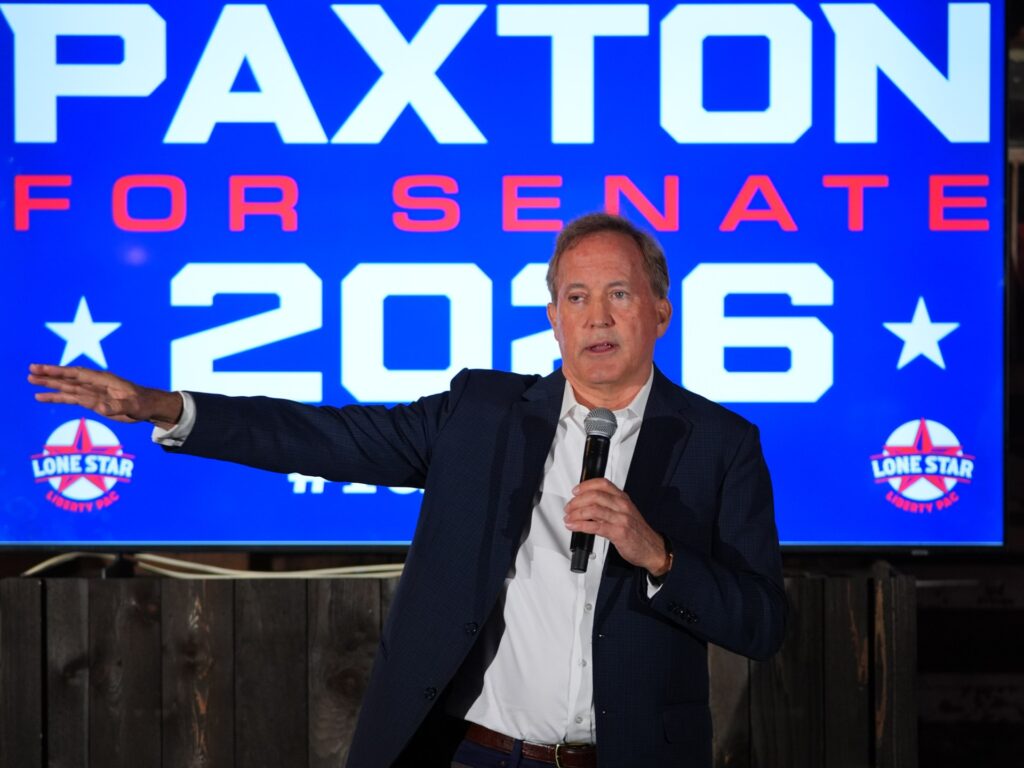
Table of Contents
A Blow to the Establishment
The political architecture of the Texas Republican Party shifted decisively Tuesday night as Attorney General Ken Paxton defeated four-term U.S. Senator John Cornyn in a high-stakes primary run-off. The victory, projected quickly by Fox News and CNN after polls closed, marks a significant defeat for the traditional GOP establishment and reinforces the enduring gravitational pull of Donald Trump over the Republican base.
Cornyn, who has held his Senate seat since 2002 and previously served as the Republican whip, entered the race with the backing of the party’s donor class and veteran leadership. However, that institutional support proved insufficient against a challenger who successfully framed the race not as a contest of experience, but as a test of loyalty to the MAGA movement. Cornyn’s history of bipartisan cooperation—specifically his support for gun legislation following the 2022 Uvalde school shooting—became a primary liability, allowing Paxton to paint the incumbent as an outlier in a party that increasingly views compromise as a betrayal.
“Tonight, we’ve come short,” Cornyn told reporters in a terse concession. While he maintained his commitment to the Republican ticket, the loss effectively ends a two-decade career in the Senate, making him the first Republican senator from Texas to lose his party’s nomination for re-election.
The Endorsement Engine
The trajectory of the race changed the moment Donald Trump threw his weight behind Paxton. The endorsement acted as a catalyst, transforming a competitive primary into a referendum on Trump’s influence. For Paxton, the endorsement was the ultimate shield against his own checkered legal history; for Cornyn, the lack of Trump’s favor was an insurmountable hurdle.
In a victory speech delivered to a crowd of cheering supporters, Paxton described Trump’s backing as “the most powerful force in politics.” This result is not an isolated event but part of a broader trend of primary disruptions. Within the last month alone, Trump-backed challengers have successfully ousted incumbents like Louisiana Senator Bill Cassidy and Kentucky Representative Thomas Massie, suggesting a systematic purging of the “Old Guard” in favor of ideological purity and personal loyalty to the former president.
The General Election Gamble
While Paxton has secured the nomination, his path to the Senate in November remains fraught with volatility. He now faces Democratic state Representative James Talarico, a 37-year-old who has strategically appealed to moderate and independent voters in an effort to flip a seat long considered a safe Republican stronghold.
The contrast between the two candidates is stark. Paxton carries a heavy luggage of controversy, including a 2023 impeachment by the Republican-led Texas House of Representatives over allegations of bribery and misconduct. Though he was later acquitted by the Texas Senate and continues to dismiss the charges as political theater, these vulnerabilities provide Talarico with significant ammunition for a general election campaign.
Republicans are not entirely confident in Paxton’s general election viability. An internal Senate campaign memo leaked last year expressed explicit concern that a Paxton nomination could provide Democrats a rare opening to flip Texas, potentially forcing the national party to divert massive resources to defend a seat that should have been a formality. As the race moves toward November, the GOP must now determine if Paxton’s popularity with the base is enough to withstand the scrutiny of a general electorate.


