Metal Gear Solid 4 Remaster Finally Erases the PS3’s Most Infamous Technical Flaw
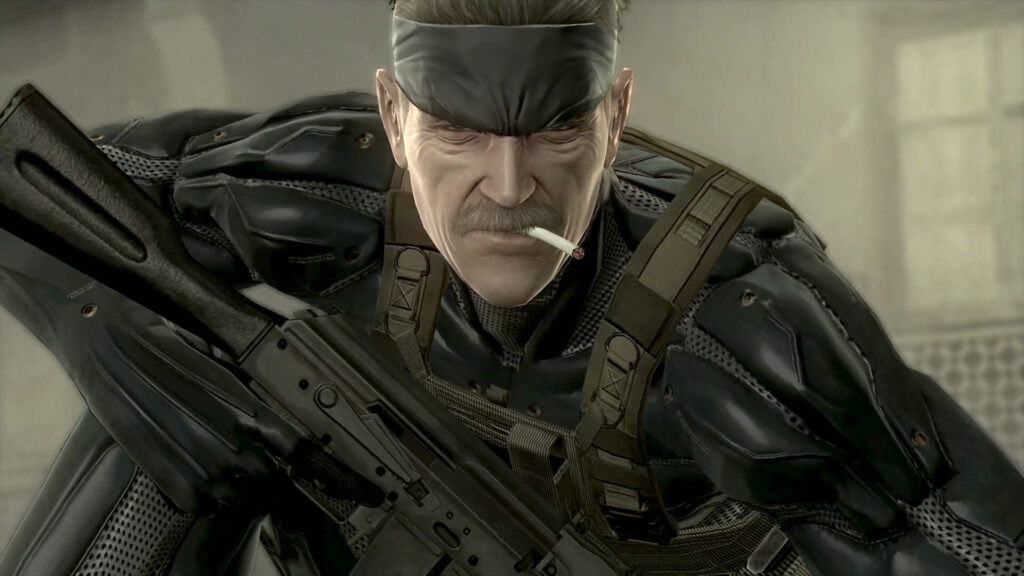
Table of Contents
The end of the ‘loading’ era for Old Snake
For nearly two decades, Metal Gear Solid 4: Guns of the Patriots has occupied a strange place in gaming history. While critically acclaimed for its cinematic ambition and narrative closure for Solid Snake, it remained tethered to the PlayStation 3 by a combination of technical complexity and licensing hurdles. For many, the game is remembered as much for its narrative weight as for its grueling load times—a technical debt that defined the PS3 era.
That debt is finally being settled. As part of the upcoming Metal Gear Solid Master Collection Vol. 2, scheduled for release this August, MGS4 is making its leap to modern hardware. While the transition allows a new generation of players to experience the conclusion of the series without hunting for legacy hardware, the most significant upgrade isn’t the resolution or the frame rate—it’s the speed.
Recent gameplay footage showcased by Washagana TV provides a first look at the remaster in action, specifically focusing on ‘Act 1: Liquid Sun’ in the Middle East. The most immediate takeaway from the stream is the near-instantaneous transition between scenes. The ‘blazingly fast’ load times effectively remove the friction that made the original 2008 release a chore to play in short bursts.
Why MGS4 was such a technical nightmare
To understand why this is a victory for the fanbase, one has to look at the architectural struggle Kojima Productions faced with the PS3’s Cell processor and limited RAM. MGS4 utilized a cumbersome ‘install-as-you-go’ system. To manage the massive amount of data required for its sprawling environments, the game would delete the data from a completed act and begin installing the next act in the background.
This resulted in a fragmented experience where players were frequently met with long, static loading screens that broke the game’s carefully crafted cinematic pacing. On modern SSDs and high-speed NVMe drives, these bottlenecks simply no longer exist. The remaster isn’t just polishing the graphics; it is fundamentally altering the cadence of the game’s delivery.
Preservation over alteration
Beyond the performance gains, the footage suggests that Konami is leaning toward a ‘preservation’ approach rather than a full reimagining. The stream revealed the inclusion of the in-game iPod—a quirky feature of the original that some speculated might be stripped out due to music licensing or design simplification. The presence of a ‘back to the main menu’ option also suggests a streamlined UI that respects the original layout while adding necessary modern conveniences.
The Master Collection Vol. 2 isn’t just a vehicle for MGS4. The package is shaping up to be a comprehensive archive of the series’ more eccentric entries. It includes Metal Gear Solid: Peace Walker, moving the PSP-era tactical espionage from handhelds to the big screen, and Metal Gear: Ghost Babel. The latter, originally a Game Boy Color title, will be available specifically in the collection’s special edition, marking a rare opportunity for console players to access one of the series’ most disciplined early designs.
While the collection doesn’t promise new story content or expanded gameplay mechanics, the removal of the PS3’s legacy bottlenecks makes this the definitive way to play. By stripping away the technical frustration, the focus returns to where it belongs: the sprawling, melancholic end of the Metal Gear saga.