The Budget Laptop War: How Intel’s ‘Wildcat Lake’ is Attempting to Neutralize the MacBook Neo
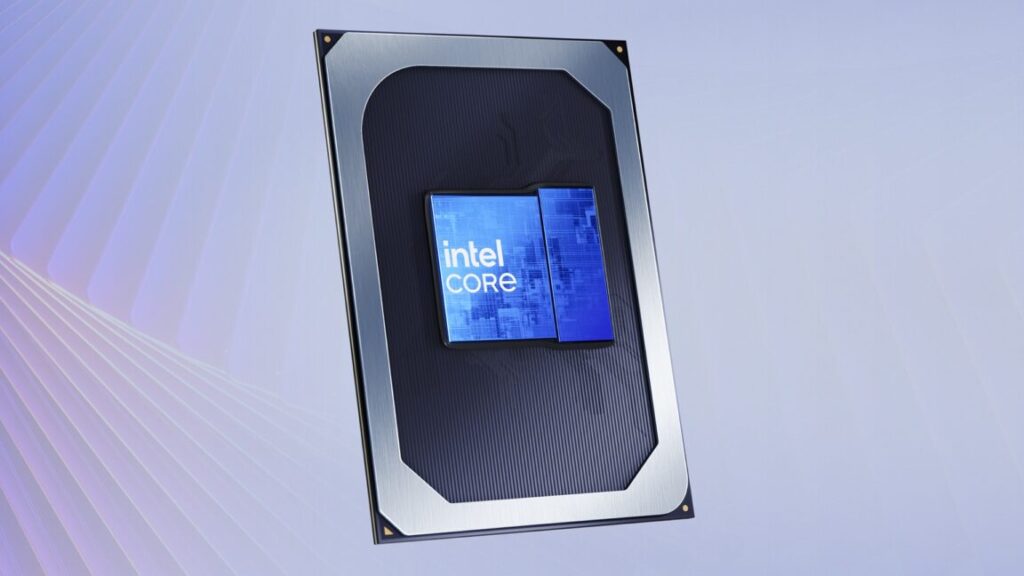
Table of Contents
The Apple Effect on the Budget Tier
For years, the Windows laptop market has operated on a predictable, if flawed, hierarchy. High-end machines competed with the MacBook Pro, while the budget sector—typically the sub-$700 range—was a wasteland of plastic chassis, dim screens, and processors that felt like relics of a previous decade. Apple disrupted this equilibrium with the MacBook Neo, delivering a level of build quality and efficiency that usually costs twice as much, effectively catching the rest of the industry off guard.
The initial reaction from PC makers was a mixture of denial and defensive maneuvering. Asus executives attempted to downplay the Neo’s value proposition, and Microsoft-backed benchmarks frequently compared the Neo to laptops that only hit its price point during aggressive clearance sales. However, the narrative is shifting. We are seeing the first signs of a coordinated counter-offensive from the Windows ecosystem, centered not on luxury, but on aggressive silicon efficiency and manufacturing standardization.
Enter Wildcat Lake
The centerpiece of this response is Intel’s new low-end Core Series 3 processors, codenamed Wildcat Lake. Historically, Intel’s budget chips were often rebranded versions of older architecture, sacrificing power efficiency for a lower price tag. Wildcat Lake represents a strategic pivot. These are purpose-built budget chips utilizing Intel’s 18A manufacturing process and the latest CPU and GPU architectures.
By moving to 18A, Intel is attempting to close the efficiency gap created by the Apple A18 Pro found in the Neo. The goal is to offer a machine that doesn’t just hit the $500-600 mark on a spec sheet, but actually maintains a competitive battery life and thermal profile during real-world use.
The rollout is already beginning, though the strategy appears to be ‘China-first.’ Lenovo has announced several IdeaPad Slim models featuring Wildcat Lake, with some configurations offering 16GB of RAM and 120Hz displays—specs that directly challenge the Neo’s perceived superiority. Asus and HP have followed suit with early announcements, though many are keeping their pricing vague due to the volatility of component supply chains.
Project Firefly and the Race to the Bottom
Beyond the silicon, Intel is attacking the cost of production through an initiative called Project Firefly. This is essentially a blueprint for affordability. By providing PC makers with standardized reference designs for motherboard layouts and thermal specifications, Intel is reducing the R&D overhead for every individual manufacturer.
The first device to implement this, Lenovo’s Lecoo Air 14, serves as a proof-of-concept. If manufacturers can standardize the ‘boring’ parts of a laptop’s internals, they can pass those savings directly to the consumer. It is a move reminiscent of the early 2010s ‘Ultrabook’ push or the Centrino branding era, where Intel effectively subsidized a specific hardware trend to move the entire market in a new direction.
The Chuwi Indicator
While the major OEMs are playing it safe, smaller players are already pushing the envelope. Chuwi has introduced the ‘UniBook,’ a Wildcat Lake device featuring a Core 3 304 processor, 8GB of RAM, and a 14-inch 1200p IPS display, advertised at a staggering $449. While Chuwi lacks the global support infrastructure of a Dell or HP, the UniBook represents the ‘floor’ of the market—a direct challenge to Apple’s hold on the entry-level premium experience.
The critical question remains whether the broader industry can maintain this pricing without reverting to the ‘cut corner’ mentality. A $450 laptop is only a win if it doesn’t feel like a disposable product. Intel can provide the chips and the blueprints, but the ultimate success of the Wildcat Lake era will depend on whether brands like Lenovo and HP are willing to sacrifice a bit of margin to keep Apple from owning the budget-premium segment entirely.