Microsoft Abandons 244-Acre Wisconsin Data Center Site Following Local Outcry
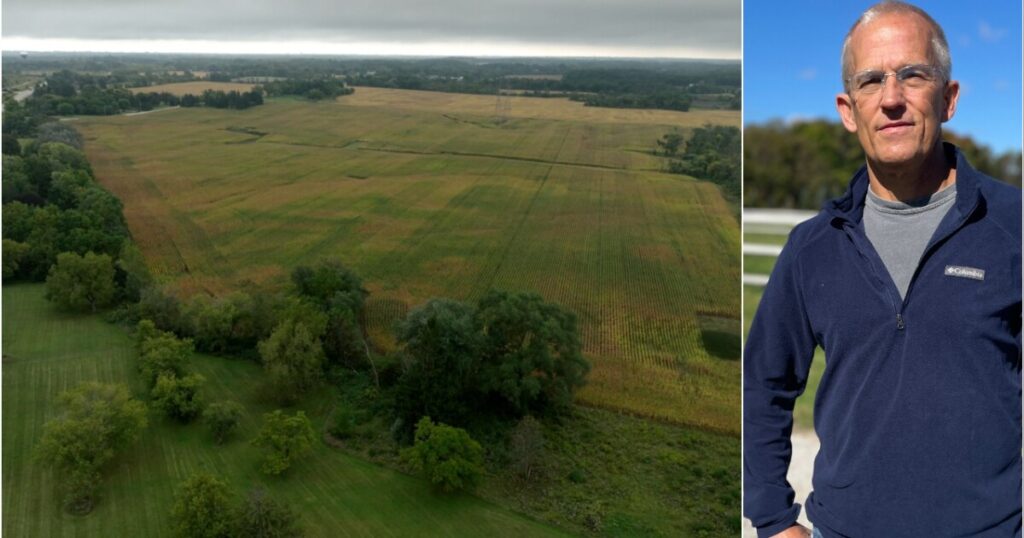
Table of Contents
A Rare Retreat for Big Tech
Microsoft has officially pulled the plug on its proposed 244-acre data center project in the Village of Caledonia, Wisconsin. The decision marks a rare instance of a cloud infrastructure giant retreating from a planned site in the face of organized grassroots opposition.
The company confirmed the move in a statement released Wednesday, citing community feedback as the primary driver for the decision. “Based on the community feedback we heard, we have chosen not to move forward with this site,” a Microsoft spokesperson said.
The project, which would have seen a massive footprint of server halls and cooling infrastructure, had become a flashpoint for residents in the region. The proposed site sat at the intersection of County Line Road and State Highway 32, positioned southwest of the WE Energies Oak Creek Power Plant. For many locals, the scale of the project was an architectural mismatch for a landscape defined by sprawling farmland and quiet residential pockets.
The Scale of Resistance
The pushback was not merely anecdotal. Over the last several weeks, hundreds of residents voiced their concerns during public hearings, while a petition opposing the necessary rezoning proposal garnered more than 2,000 signatures. The core of the conflict centered on the rezoning of the land, which would have fundamentally altered the character of the surrounding rural environment to accommodate industrial-scale tech infrastructure.
For residents like Prescott Balch, the news was met with immediate celebration. Balch noted that his phone was ringing throughout Wednesday morning as neighbors shared the news of the company’s withdrawal.
“We’re ecstatic that those arguments held water and ultimately convinced a large corporation to back off,” Balch told local reporters. “So great day here in Caledonia.” He emphasized that the victory wasn’t necessarily about blocking tech investment, but about the right of residents to have a say in how their village is developed.
Corporate Pivot, Not an Exit
Despite abandoning the specific 244-acre plot, Microsoft isn’t leaving Southeast Wisconsin. The company continues to seek locations to expand its cloud capacity—an urgent need driven by the global explosion in AI demand and the massive compute power required to sustain it.
Microsoft indicated it remains interested in the region and intends to work with Racine County leaders and Caledonia village officials to find a site that better aligns with community priorities. This suggests the company is shifting its strategy toward a more collaborative site-selection process rather than presenting a finished plan for approval.
Village trustee Nancy Pierce expressed respect for the company’s willingness to pivot, though she noted that the initial rollout was flawed. Pierce mentioned she learned of the decision through news reports rather than a direct announcement, but praised the company for listening to both the board and the constituents.
“I would’ve liked to been able to engage directly with Microsoft much earlier in the process,” Pierce said. “We were not allowed to do that. I think that became an obstacle for a lot of different points and reasons.” She believes that for any future proposal to succeed, the company must lead with transparency and community engagement from day one.
The Broader Data Center Friction
The tension in Caledonia mirrors a growing trend across the U.S. As AI companies like Microsoft, Google, and Amazon race to build out the physical layer of the internet, they are increasingly clashing with local zoning boards and residential neighborhoods. The sheer demand for power, water for cooling, and the visual impact of massive, windowless concrete blocks has turned previously quiet municipalities into battlegrounds for digital infrastructure.
By stepping back in Caledonia, Microsoft may be attempting to avoid a protracted legal or political battle that could sour its relationship with the state of Wisconsin as it seeks other viable land options.