Spotify’s New AI Remix Tool Promises ‘Superfan’ Connection, but Raises Questions About Creative Value
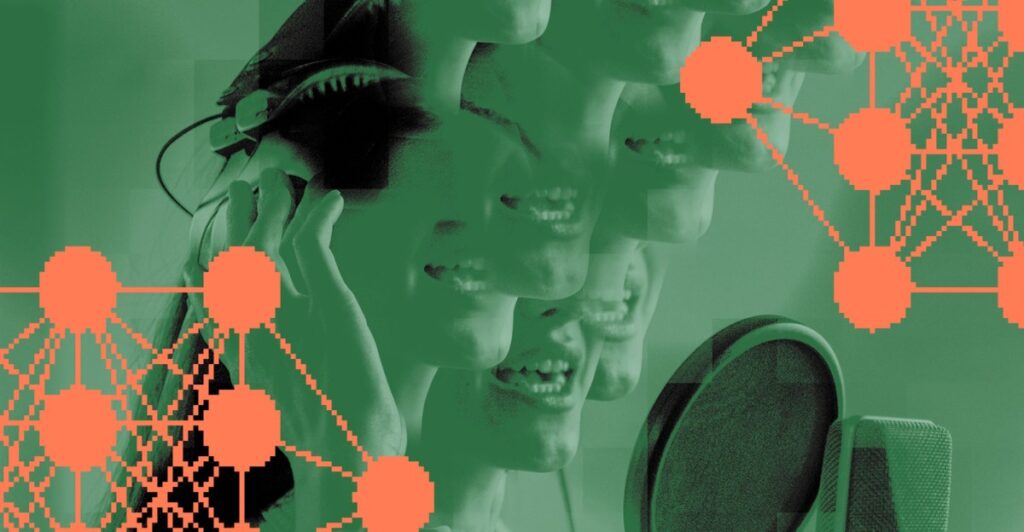
Table of Contents
A New Era of Licensed Iteration
Spotify and Universal Music Group (UMG) have entered into a strategic licensing agreement that will allow users to generate AI-powered remixes and covers using UMG’s massive catalog. The initiative, positioned as a premium subscription add-on, aims to pivot the narrative around generative AI in music from one of copyright infringement to one of sanctioned fan engagement.
Sir Lucian Grainge, CEO of UMG, has framed the move as a way to “deepen fan relationships,” suggesting that giving listeners the tools to manipulate and reimagine their favorite tracks creates a stronger emotional bond with the artist. However, the specific mechanics of the tool—and its pricing structure—remain opaque, with Spotify describing the service simply as being “powered by generative AI technology.”
The Prompt vs. The Process
The arrival of a corporate-backed remix tool comes as the internet is already saturated with AI-generated covers. From reggae versions of Nirvana to country renditions of The Weeknd, platforms like TikTok and YouTube are flooded with content that mimics the superficial traits of a genre without the intentionality of a human producer. By institutionalizing this process, Spotify is effectively betting that “prompting” is a valid form of creative expression.
There is a fundamental tension between this technology and the tradition of music appreciation. Traditionally, a fan’s engagement with a song—whether through learning the guitar or spending hours in a Digital Audio Workstation (DAW) to create a bootleg remix—requires a level of study and technical effort. The act of dissecting a track’s arrangement is where the actual “deepening” of the relationship occurs. When that process is reduced to a text prompt—asking for a “bluegrass version” of a Beyoncé hit—the intellectual and emotional labor is stripped away.
The Narcissism of the “Generated” Playlist
The appetite for these tools is evident in burgeoning communities like the Suno subreddit, where a new breed of listener is emerging: the prompt-engineer as artist. In these circles, some users claim to have abandoned traditional streaming entirely in favor of listening exclusively to music they have generated themselves. This shift represents a move away from the communal experience of shared artistry toward a more narcissistic loop of self-generation.
For the casual user, these tools may provide a momentary novelty. But for those claiming the mantle of a “superfan,” the paradox is striking. The value of a remix usually lies in its ability to recontextualize a song, as seen in the work of creators like Mac Glocky, who meticulously rearrange tracks to fit the sonic identity of different artists. These human-led transformations require an understanding of melody and timbre that AI currently lacks. Current generative models tend to “sand down” the edges, producing a polished but lifeless output that lacks the unexpected choices a human musician makes.
The Risk of Creative Dilution
While Spotify and UMG see a new revenue stream and a way to legitimize AI, the broader impact on music culture remains uncertain. The best remixes—from the glitchy punk energy of Missy Elliott’s “Get Your Freak On” edits to the moody slowburns of 80s pop covers—succeed because they are an intentional dialogue between the remixer and the original piece.
By replacing that dialogue with a black-box algorithm, Spotify may be offering a facsimile of creativity. If the goal is truly to foster a connection between the artist and the listener, the question remains whether a machine-generated cover can ever provide the same satisfaction as a flawed, humanly-recorded bedroom cover on an iPhone. One represents a struggle to master a craft; the other is simply a request for a simulation.