Google’s First-Gen Chromecast Returns to Life After Mysterious Casting Blackout
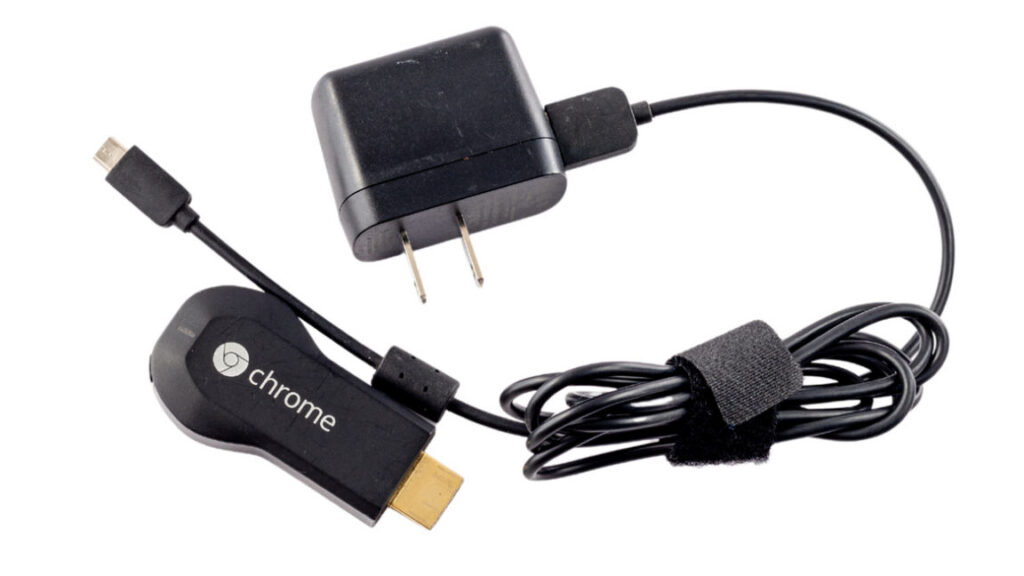
Table of Contents
The panic of the legacy user
For a few days this week, a small but dedicated cohort of tech enthusiasts feared that Google had finally pulled the plug on its original Chromecast. The device, a minimalist HDMI dongle that launched in 2014 and sold over 10 million units in its first year, had suddenly stopped working for a significant number of users. The symptoms were consistent: an inability to cast from mainstay apps like YouTube, Chrome, and Paramount+, effectively turning the legacy hardware into an expensive piece of plastic.
The outage sparked an immediate reaction on Reddit and other tech forums, where users reported that multiple first-gen devices in their homes had failed simultaneously. In the current climate of planned obsolescence, the prevailing theory was grim: Google had remotely bricked the hardware to force a migration to the newer Chromecast with Google TV ecosystem.
A technical glitch, not a kill-switch
Google has since moved to quell those rumors. Sahana Mysore, a senior product manager for Google Home, confirmed that the disruption was not an intentional end-of-life maneuver, but rather a technical failure. In a statement provided to reporters, Mysore clarified that a specific technical issue had temporarily disrupted the casting process for Gen 1 users.
“Our team quickly identified the root cause and resolved the issue,” Mysore stated. According to Google, the fix has been deployed and the devices should now be functioning normally. Reports from the community suggest that connectivity has indeed returned, though the company has remained vague about what specifically caused the breakdown.
The appeal of the ‘dumb’ streamer
The original Chromecast occupied a unique place in the streaming landscape. Unlike today’s devices, which are essentially miniature computers with their own operating systems, home screens, and ad-supported recommendation engines, the first-gen model was purely a receiver. It didn’t have a UI; it simply took a signal from a phone or laptop and put it on the screen.
For many, this simplicity is exactly why they’ve clung to the $35 device long after Google officially ended support in 2023. In an era of bloated interfaces and data-harvesting smart TVs, the original Chromecast represents a streamlined era of the internet where the user—not the platform—controlled the experience.
The precarious state of legacy support
While the immediate crisis has been averted, the event highlighted the precarious nature of relying on cloud-dependent legacy hardware. When the ‘brains’ of a device live on a server managed by a corporation, the hardware is only as permanent as the company’s willingness to maintain the backend.
Adding to the tension is a conflicting set of reports regarding security updates. Some users have noted documentation suggesting that Google has narrowed its support window, potentially leaving every model except the 2022 Chromecast with Google TV (HD) vulnerable. However, Google’s official support documentation still lists most models—excluding the first-generation device—as receiving critical security updates.
For those still using the 2014 hardware, the lesson is clear: the devices may still work, but they are operating on borrowed time. For now, the cast icon is back in the menu, but the stability of the first-gen Chromecast remains a matter of corporate whim.


