Inside Seattle Shield: The Private Intelligence Network Linking Big Tech to Local Police
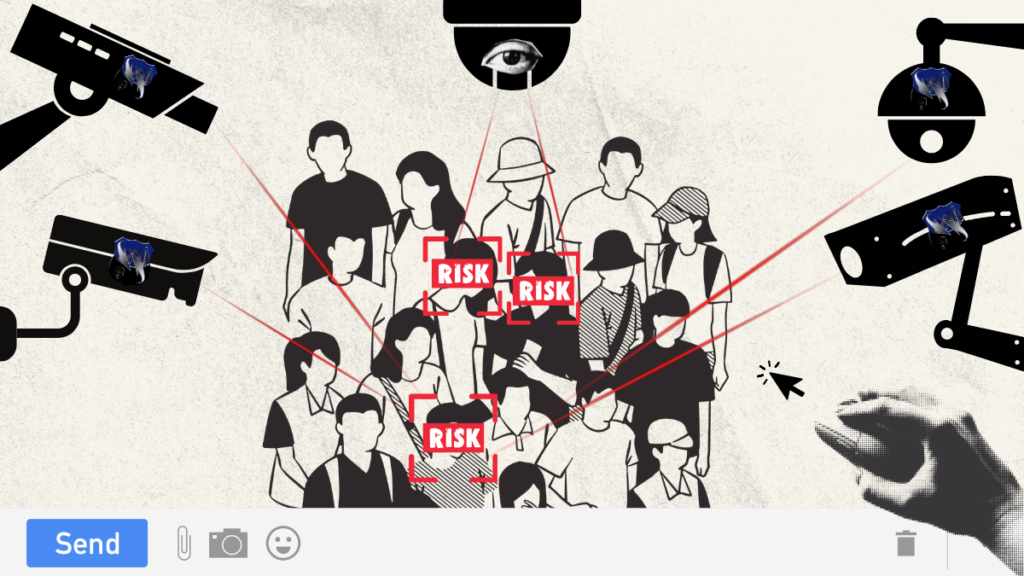
Table of Contents
The Unseen Architecture of Surveillance
In the heart of the Pacific Northwest, a discreet intelligence-sharing apparatus has woven a web between the Seattle Police Department (SPD) and some of the world’s most powerful corporate entities. Known as “Seattle Shield,” this network integrates law enforcement with analysts from Amazon and Facebook, real estate management firms, and federal agencies like Immigration and Customs Enforcement (ICE).
Operating largely beneath the radar of public scrutiny and major civil rights organizations, Seattle Shield functions as a collaborative hub designed to identify and mitigate potential acts of terrorism. However, internal documents and public records suggest the network’s focus has drifted from high-level counter-terrorism toward the monitoring of local protests and protected speech.
A Network of Private Interests
Established in 2009, Seattle Shield is described by the SPD as a collaborative environment where public and private partners report “suspicious activity” in a timely manner. Despite its reach, the program is remarkably lean; an SPD email describes it as an “unfunded program” managed by a single officer.
The membership list is a directory of influence and oversight. Beyond the local police, the network includes FBI agents, Department of Homeland Security (DHS) analysts, and operatives from the Washington State Fusion Center. Surprisingly, the network’s reach extends far beyond the city limits of Seattle. Records indicate that members from the New York City Police Department, the Hennepin County Sheriff’s Office in Minnesota, and even a threat and risk analyst for the United Nations have had access to the system.
This structure creates a feedback loop where private corporations effectively act as extensions of the state’s surveillance apparatus. By requesting that private companies generate “suspicious activity reports,” the SPD leverages corporate data collection to populate a private blotter of potential suspects, often including photographs of individuals or their vehicles.
The Shift Toward Protest Monitoring
A review of bulletins sent via Seattle Shield between 2020 and 2025 reveals a telling trend: the “terrorism” being monitored is increasingly indistinguishable from civic unrest. In 2025, reports shifted almost exclusively to tracking protests and the resulting traffic delays across the city.
One specific “blast” from October 6, 2025, cited the anniversary of the Hamas-led attacks on Israel as a catalyst for potential violence. While the notice warned of “grievance-driven malicious actors,” it notably focused on local incidents, such as graffiti and property damage at the residence of a tech company CEO, while ignoring broader context regarding anti-Muslim and anti-Palestinian violence nationwide.
The Risk of ‘Domestic Terrorist’ Labeling
For privacy advocates, the integration of corporate monitoring and police intelligence is a recipe for systemic abuse. Phil Mocek, a longtime Seattle privacy organizer, argues that the network’s coordination has become more dangerous following a 2025 National Security Presidential Memorandum that identifies protected speech as potential “indicia” of a terrorist threat.
“Somebody could show up to protest ICE, and then that information gets reported out to Seattle Shield and suddenly they could be on a terrorist watch list,” Mocek told reporters. “That is not OK.”
The Global Shield Context
Seattle Shield is not an isolated experiment. It exists as a node within the Global Shield Network (GSN), an umbrella organization that coordinates similar local “shield” networks across the United States. Virginia State Police Captain Austin White, who serves as president of the GSN, suggests that while these networks may not impact daily operations for every officer, they provide a vital sense of shared concern and a means to expedite specific investigations.
White cited a 2017 instance where personal connections made via the shield networks helped expedite the search for a minor who had made violent threats online. However, the GSN maintains that it does not directly oversee the operational specifics of local chapters like the one in Seattle.
The Seattle Police Department, Amazon, and Facebook have all declined to comment on the specific metrics of the program or the safeguards in place to prevent the targeting of political dissidents.


