University of Nottingham Pilot Study Uses ‘Super-Strength’ Chewing Gum to Reverse Long-Term Covid Taste and Smell Loss
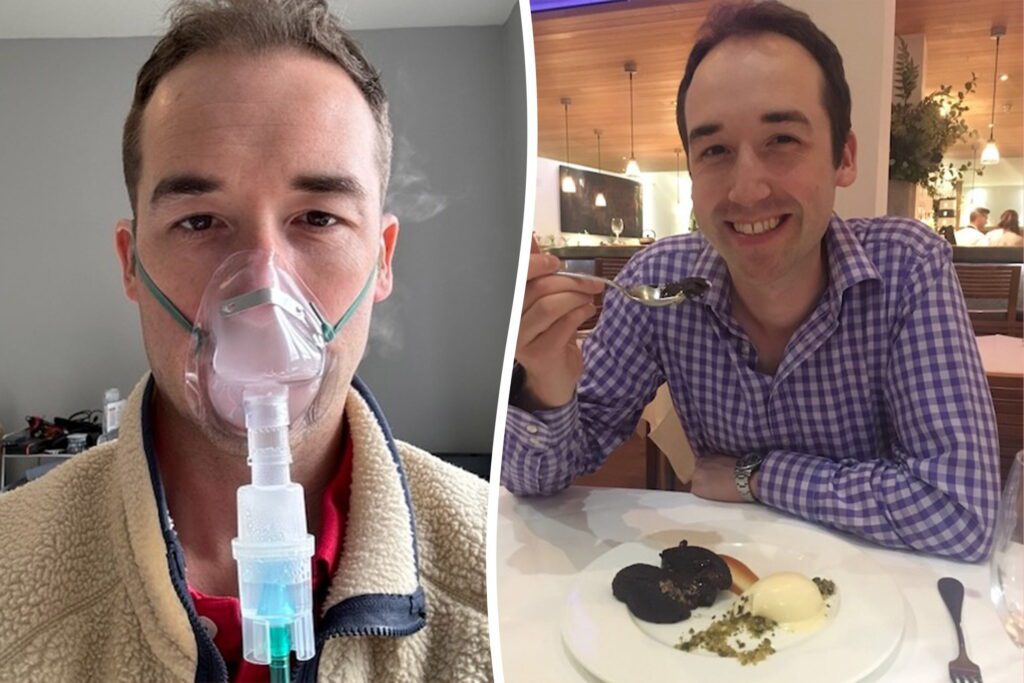
Table of Contents
A New Approach to Sensory Recovery
For millions of people worldwide, the aftermath of a COVID-19 infection wasn’t just a matter of a lingering cough or fatigue, but the complete erasure of taste and smell. For Dr. Paul Wicks, a 44-year-old medical researcher and father of two, this sensory void lasted for years. After contracting the virus in August 2022, Wicks found himself in a world where spicy curries had no kick and the mundane tasks of parenthood, like changing nappies, were devoid of any scent.
However, a recent pilot study conducted by the University of Nottingham suggests that the path to recovery might be as simple as chewing gum. The trial, designed by Dr. Nicole Yang, utilized a decentralized clinical model, allowing participants to undergo the treatment from home rather than at a dedicated research facility.
The premise of the study was grounded in the theory of sensory retraining. By introducing high-intensity, targeted flavor profiles, the researchers aimed to stimulate and repair the neural connections in the brain associated with olfactory and gustatory processing. Unlike standard confectionery, these specially formulated gums were designed to sustain their flavor over longer periods and shift profiles as they were chewed, ensuring a prolonged stimulus for the brain.
The Mechanics of ‘Super-Strength’ Stimulation
The trial involved a cohort of 16 participants who were tasked with chewing the specialized gums twice daily—once in the morning and once in the evening—for a period of 12 weeks. The gums focused on a spectrum of “super-strength” flavors designed to hit specific sensory markers: spicy, minty, sour, and sweet.
For Wicks, the results were not immediate. The first few weeks of the trial, which began in November 2024, passed with little change. Then, during a routine breakfast, a single blueberry in his oats triggered a sensory “explosion” that he hadn’t experienced in years. This breakthrough was soon followed by a more visceral confirmation: the pungent combination of freshly cut grass and dog waste while mowing his lawn.
“I’d pretty much accepted I’d never get my taste or smell back,” Wicks said, noting that the loss had stripped away the emotional anchors that scents provide, from the smell of a child’s hair after a shower to the aroma of coffee beans.
Analyzing the Pilot Data
While the study was a pilot and therefore smaller in scale, the data indicates a significant success rate. According to the findings, 67% of participants saw a measurable improvement in their sense of smell, while a striking 83% reported an improvement in their sense of taste. The high percentage of taste recovery suggests that the gustatory system may be more responsive to this form of stimulation or that the overlapping nature of taste and smell (flavor) allows for a synergistic recovery effect.
The trial was coordinated in part with the charity SmellTaste, an organization dedicated to supporting those with impaired sensory functions. The success of the decentralised approach—shipping the product directly to users—demonstrates a scalable model for future sensory rehabilitation programs.
The University of Nottingham team, led by Dr. Yang, is now seeking additional funding to expand the trial. A larger, more robust study would be necessary to determine the exact biological mechanisms at play and to establish a standardized protocol for patients suffering from chronic post-viral anosmia.
For Wicks, the clinical significance is secondary to the personal restoration. “Now one of the highlights of my week is refilling my coffee machine with beans,” he said. “When you lose something and get it back, it gives you a new appreciation.”