Trump’s High-Stakes Tech Delegation Lands in China Amidst Last-Minute Drama
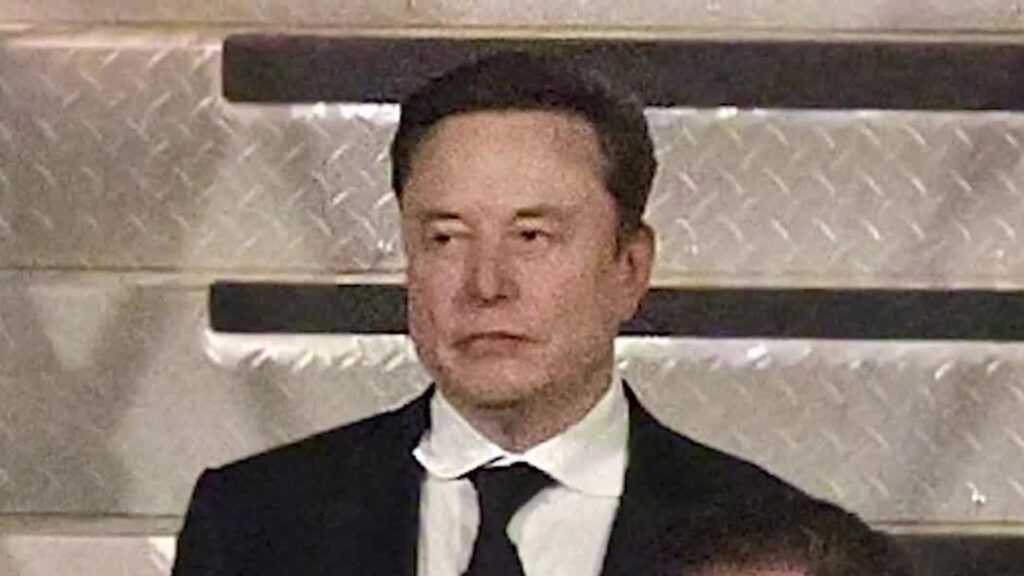
Table of Contents
The Power Suite Arrives in Beijing
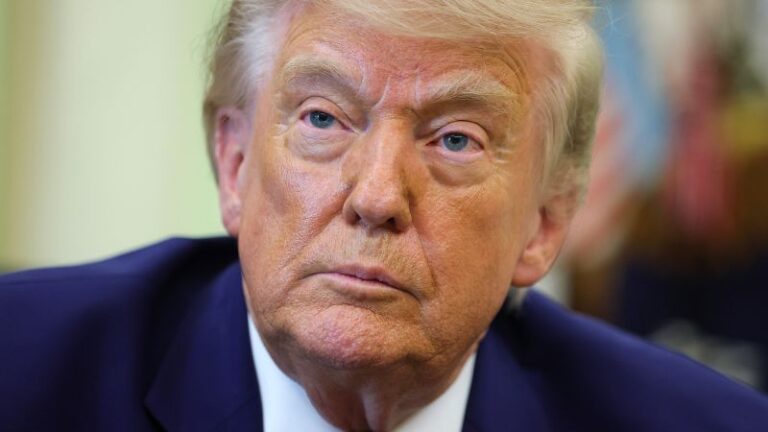
President Trump has touched down in China, but the focus of the trip is shifting away from traditional diplomatic protocol toward a concentrated display of American industrial and digital power. Accompanying the President is a curated “posse” of the world’s most influential tech executives, signaling that the administration’s approach to China is as much about corporate leverage as it is about geopolitical maneuvering.
The delegation reads like a Who’s Who of the Silicon Valley elite. Tim Cook, CEO of Apple, whose company remains deeply entwined with Chinese manufacturing and consumer markets, is present. Beside him is Elon Musk, whose relationship with both the Trump administration and the Chinese government—via Tesla’s Gigafactory Shanghai—has become one of the most complex tightropes in global business. The optics are clear: the administration is bringing the people who actually control the supply chains to the table.
The Jensen Huang Chaos
While the presence of Cook and Musk was expected, the inclusion of NVIDIA CEO Jensen Huang provided the trip’s most surreal narrative arc. Early manifests and briefing notes suggested that Huang had been left off the official delegation list entirely. For a man whose H100 GPUs effectively power the global AI revolution and who sits at the center of the U.S. government’s chip-export restrictions to China, the omission was jarring.
However, reports from inside the circle indicate that Huang didn’t wait for a formal invitation to be rescinded or corrected. In a move that reflects his aggressive business style, Huang reportedly volunteered his presence and managed to secure a spot on the plane just in time for the departure. The last-minute scramble led to whispers among staffers that the President may have simply forgotten the NVIDIA chief—a theory that some find plausible given the chaotic nature of the administration’s travel planning, while others view it as a calculated tension tactic.
Regardless of how he ended up on the flight, Huang’s presence is critical. The U.S. has spent the last few years tightening the noose on high-end AI chips heading into China. Having the architect of those chips present during a presidential visit suggests that the conversation may move toward specific exemptions or new frameworks for semiconductor trade.
Musk’s Return to the International Stage
For Elon Musk, the trip represents a significant homecoming to the international diplomatic stage. While Musk has always operated as a quasi-sovereign entity, appearing directly by Trump’s side in China cements his role as a key intermediary between the U.S. executive branch and foreign powers. This is not just about Tesla sales; it is about the intersection of satellite internet, AI, and automotive autonomy.
The dynamic between the President and the tech cohort is notably different from previous administrations. Rather than acting as advisors to be consulted in private, these CEOs are being utilized as visible symbols of American capitalism and technological dominance. They are the “heavy artillery” in a trade war that has shifted from tariffs on steel to the ownership of the future of intelligence.
A Fragile Alignment
Despite the unified front, there is an inherent tension in the room. The interests of Apple, which needs China for stability, and NVIDIA, which is often the target of U.S. restrictive policy, are not always aligned. The question remains whether this gathering is a genuine attempt to forge a new era of cooperation or simply a high-profile photo opportunity designed to show the Chinese leadership that the U.S. has the industry’s biggest players fully aligned behind the President’s agenda.
As the delegation begins its scheduled meetings, the industry will be watching closely for any mention of chip sanctions or manufacturing subsidies. For now, the mere fact that Jensen Huang made it onto the plane suggests that the most volatile and valuable parts of the tech sector are indeed in play.