World’s Oldest Doctor Shares 3 Essential Rules for Longevity
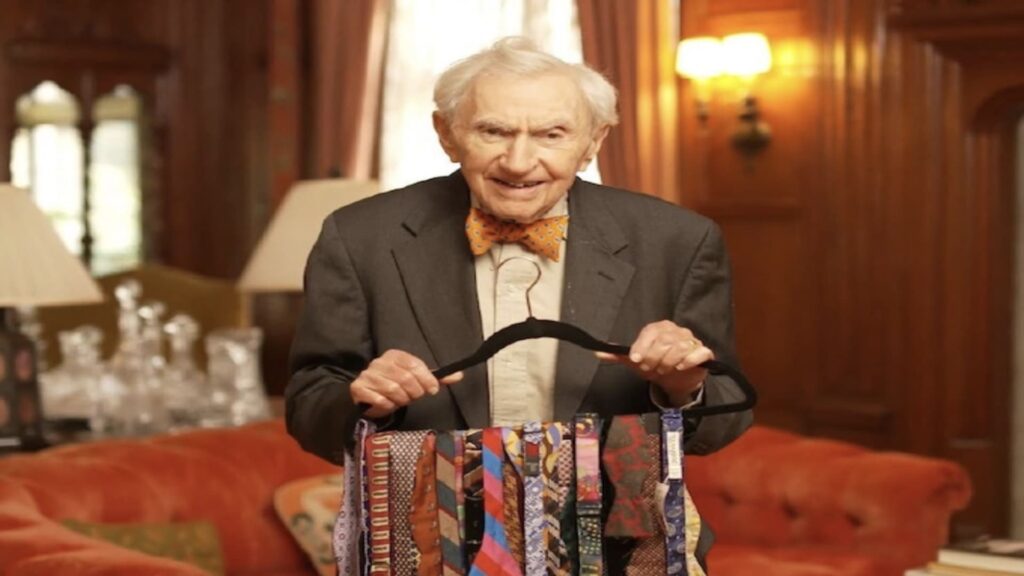
Table of Contents
The Blueprint for a Century: World’s Oldest Doctor Shares 3 Essential Rules for Longevity
In a world obsessed with biohacking, expensive supplements, and extreme diets, Dr. Howard Tucker is proving that the secret to a long life might be far simpler than the latest Silicon Valley trend.
At 103 years old, Dr. Tucker isn’t just a centenarian; he is officially recognized by Guinness World Records as the world’s oldest doctor. But rather than attributing his longevity to a single “magic pill,” the Ohio-based neurologist argues that a combination of mental rigor, emotional intelligence, and balanced living is the real key to enduring health.
- Main Update: Dr. Howard Tucker reveals his three “non-negotiables” for a long life.
- Key Philosophy: Cognitive engagement, emotional detachment from anger, and dietary moderation.
- Notable Achievement: Passed the Ohio Bar Exam at age 67 while practicing medicine.
- Current Status: Continues to mentor medical residents and law students.
The Cognitive Engine: Why Mental Activity is Non-Negotiable
For Dr. Tucker, the brain is not a static organ but a muscle that requires constant tension to remain functional. He posits that the moment an individual stops engaging with the world and ceases to learn, the decline of the body accelerates.
Lifelong Learning as a Health Strategy
His commitment to intellectual growth is nothing short of extraordinary. While most professionals eye retirement in their early 60s, Dr. Tucker was attending law school at night. His academic curiosity led him to pass the Ohio Bar Exam at 67, blending the disciplines of medicine and law to expand his professional utility.
This approach to cognitive longevity suggests that the pursuit of new skills—whether through formal education, volunteering, or mastering new technology—acts as a protective shield against age-related decline.
- Professional Evolution: Transitioned from active practice to medical-legal review.
- Digital Adaptation: Embraced social media to stay connected and current.
- Diverse Engagement: Taught medical residents throughout the global pandemic.
The Emotional Toll: The Science of Letting Go
While diet and exercise are the standard pillars of health, Dr. Tucker emphasizes a frequently overlooked factor: the physiological impact of chronic anger and resentment.
From a clinical perspective, carrying bitterness is more than just a psychological burden; it is a cardiovascular risk. The neurologist explains that resentment triggers stress hormones and elevates blood pressure, creating a state of chronic inflammation that can wear down the heart over decades.
Emotional Resilience vs. Forgetting
Tucker is clear that letting go of hatred does not mean excusing bad behavior or forgetting past wrongs. Instead, it is a strategic decision to prioritize one’s own health over the desire for vengeance. By focusing energy on meaning and curiosity rather than bitterness, he has maintained a mental equilibrium that supports his physical vitality.
Balancing the Scales: Moderation Over Restriction
In an era of restrictive fasting and hyper-specific diets, Dr. Tucker advocates for a philosophy of balance. He rejects the idea that living well requires the total denial of pleasure, suggesting instead that moderation is what allows enjoyment to be sustainable over a century.
His approach combines traditional healthy staples—such as heavy portions of vegetables and salads—with the occasional indulgence, like a steak or a martini. This balanced approach prevents the psychological burnout associated with extreme dieting.
| Lifestyle Factor | Common Extreme Approach | Dr. Tucker’s Balanced Approach |
|---|---|---|
| Diet | Restrictive/Elimination Diets | Moderation with high vegetable intake |
| Mental State | Passive Retirement | Active Learning & Problem Solving |
| Emotional Health | Ruminating on Grievances | Intentional Letting Go of Bitterness |
| Career | Fixed Retirement Age | Continuous Professional Evolution |
Why This Matters for Modern Healthcare
Dr. Tucker’s life serves as a case study in successful aging. As global populations age, the medical community is shifting focus from merely extending lifespan (how long we live) to improving healthspan (how long we live in good health).
His trajectory highlights that the integration of mental health and physical wellness is not a luxury but a necessity. By maintaining a role in society—teaching at Case Western Reserve University and mentoring the next generation of physicians—he avoids the “social death” that often precedes physical decline in the elderly.
What Happens Next
The story of Dr. Tucker has reached a wider audience through the documentary “What’s Next?”, produced by his grandson, Austin Tucker. The film aims to translate these personal anecdotes into actionable advice for younger generations.
As we look toward the future of geriatric care, the lessons from the world’s oldest doctor suggest that we should spend as much time focusing on a patient’s sense of purpose and emotional state as we do on their blood pressure and glucose levels. For those seeking to optimize their longevity, the path may be as simple as picking up a new book, forgiving an old enemy, and enjoying a good meal in moderation. You can learn more about current longevity research to see how these traditional rules align with modern science.
Source: Official statements from Dr. Howard Tucker via Guinness World Records and “What’s Next?” documentary production.