Google Unveils Premium Googlebook Laptops and Gemini-Powered Android Auto Today!
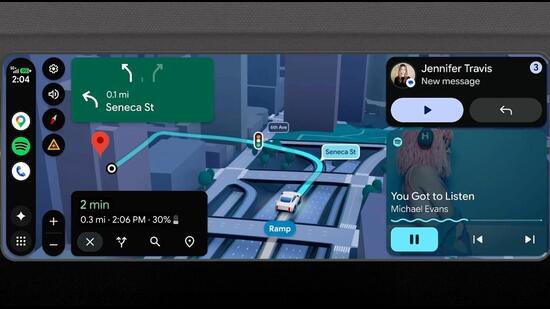
Table of Contents
Visit our latest news hub for more updates on global tech trends.
Google is fundamentally redefining its hardware and automotive software strategy with the introduction of the ‘Googlebook’—a premium line of laptops designed to replace the traditional Chrome OS experience with a sophisticated, AI-first ecosystem. This move marks a significant departure from the budget-friendly, cloud-centric approach Google adopted back in 2009, signaling a shift toward high-end computing integrated with Gemini Intelligence.
- New Hardware: Googlebook premium laptops developed with Acer, Asus, Dell, HP, and Lenovo.
- Core AI: Gemini Intelligence integrated into the OS for contextual productivity.
- Automotive: Android Auto receiving a Material 3 Expressive design and 3D immersive maps.
- Connectivity: Deep synchronization between Android smartphones and Googlebook hardware.
A Premium Leap Beyond Chrome OS
For over a decade, Google’s presence in the laptop market was defined by affordability and cloud dependency. However, Alexander Kuscher, Senior Director for Laptops & Tablets at Google, suggests that the way users interact with computing is evolving. The new Googlebook is not merely a software update but a hardware revolution. By partnering with industry giants like Dell and Lenovo, Google is ensuring these devices meet a ‘premium’ standard in build and performance.
Central to this experience is the integration of Gemini Intelligence. Unlike previous iterations of AI assistants, Gemini is woven into the very fabric of the software. This ensures that the AI isn’t just a tool you open, but a layer that anticipates user needs throughout the workflow. To support this, Google has even reimagined the cursor with the ‘Magic Pointer.’ This tool transforms from a standard pointer into a contextual menu when jiggled, allowing users to instantly send data to Gemini or execute quick replies without navigating through multiple folders.
Seamless Ecosystem Integration
One of the most anticipated features of the Googlebook is the deep synchronization with Android devices. In a move that echoes the seamless integration seen in Apple’s macOS Tahoe, Googlebook users can now open mobile apps directly on their laptops. This removes the friction between mobile and desktop environments, allowing files and documents to sync instantly across the file explorer.
This ecosystem play extends beyond the home and office into the automotive sector. Guemmy Kim, Senior Director of Android for Cars, has detailed a massive overhaul for Android Auto. The system is moving toward a more flexible layout to accommodate varying screen sizes and aspect ratios, specifically benefiting users in India who drive vehicles from brands like Mahindra, Tata Motors, and Mercedes Benz.
The Future of Immersive Driving
The update brings the Material 3 Expressive design language to the dashboard, but the real star is the revamped Google Maps. This immersive navigation system is the most significant update in ten years, offering vivid 3D views of terrain, overpasses, and buildings.
With Gemini already present in over 250 million vehicles globally, the next step is the ‘Gemini Intelligence layer’ for Android Auto. This will allow drivers to use contextual prompts—such as sending a live location link to a friend based on a previous conversation—entirely through voice and AI, ensuring the driver’s eyes stay on the road.
Why This Shift Matters
Google’s aggressive push into premium hardware and AI-driven automotive software is a direct challenge to the dominance of Apple and Microsoft. By integrating Gemini into the hardware level of the Googlebook and the infotainment systems of cars, Google is attempting to own the entire user journey from the desk to the driver’s seat.
Looking ahead, these developments are expected to lead to a more unified AI experience. As more carmakers in India and globally adopt these standards, the boundary between our mobile devices and our environments will continue to blur, making AI a proactive rather than reactive tool.