Utsunomiya Shuts Down 100 Schools as Urban Bear Sightings Trigger Emergency Response
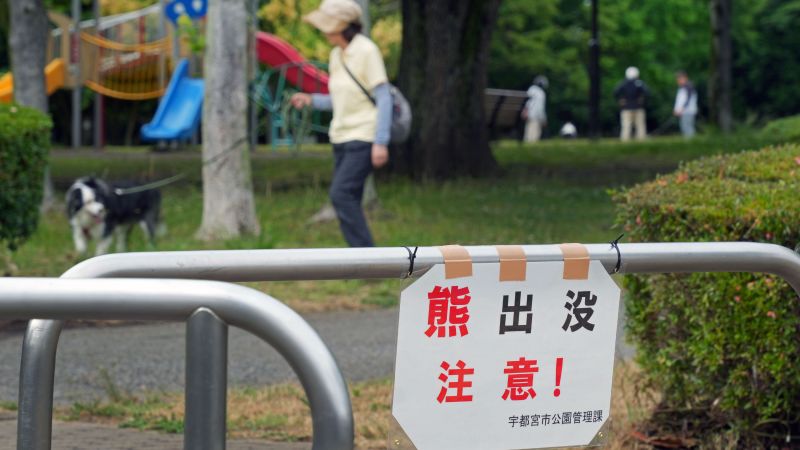
Table of Contents
Urban Panic in Utsunomiya
Utsunomiya City, a major hub north of Tokyo with a population of roughly 500,000, has taken the drastic step of closing nearly 100 public elementary and junior high schools. The decision, handed down by the city board of education, follows a series of escalating bear sightings that have moved from the rural periphery directly into the city’s urban core.
The escalation began on Saturday when the city’s Wildlife Management Group recorded its first sighting. By Sunday, the situation shifted from a peripheral concern to a direct threat when a bear was spotted on the grounds of a junior high school. The tension peaked that night when security camera footage captured a bear navigating a downtown shopping district, bringing the wildlife crisis into the heart of the city’s commercial center.
Police and local hunting associations have been deployed to patrol the streets, attempting to determine if the city is dealing with a single opportunistic animal or a larger group. As of Monday night, police confirmed continued bear activity, leaving the timeline for school reopenings uncertain.
A Systemic Failure of Wildlife Barriers
The events in Utsunomiya are not isolated incidents but rather a symptom of a broader ecological shift across Japan. Since April, bear attacks across nine prefectures have left three people dead and 20 others injured, according to data from public broadcaster NHK. A particularly violent incident occurred on June 2 at a steel factory in Fukushima, where four people were injured, illustrating that these animals are no longer confined to mountain trails.
The surge in urban incursions is driven by a volatile mix of environmental and demographic factors. Climate change has led to erratic weather patterns and poor harvests of natural food sources, forcing bears to venture further into human settlements to survive. This is exacerbated by Japan’s ongoing rural depopulation; as villages shrink and forests reclaim abandoned land, the traditional boundaries between wild habitats and human dwellings have effectively vanished.
Furthermore, a decline in active hunting and wildlife management has allowed bear populations to grow unchecked. This has turned a natural coexistence into a national emergency, leading to the deployment of military troops in hard-hit regions and prompting international governments to issue travel advisories for certain parts of the country.
The New Urban Reality
City officials in Utsunomiya have issued urgent directives to residents, emphasizing a shift in daily behavior to mitigate risk. Residents are being told to secure all doors and windows and, crucially, to stop putting trash out at night—a primary attractant that draws bears into residential neighborhoods.
The intersection of urban infrastructure and wildlife migration has created a new set of challenges for Japanese municipalities. The sight of bears rummaging through supermarket aisles or wandering through schoolyards—scenes that have gone viral across social media—highlights the inadequacy of current wildlife deterrents in the face of starving, adaptable predators.
While hibernation typically provides a seasonal reprieve, the 2026 emergence has been more aggressive. With the weather warming into the summer months, the transition from dormant forests to populated cities is happening with greater frequency and intensity, leaving cities like Utsunomiya to react with total lockdowns of their educational systems to ensure student safety.