The NIAID Leadership Vacuum: How a Headless Institute Struggles as Ebola resurfaces
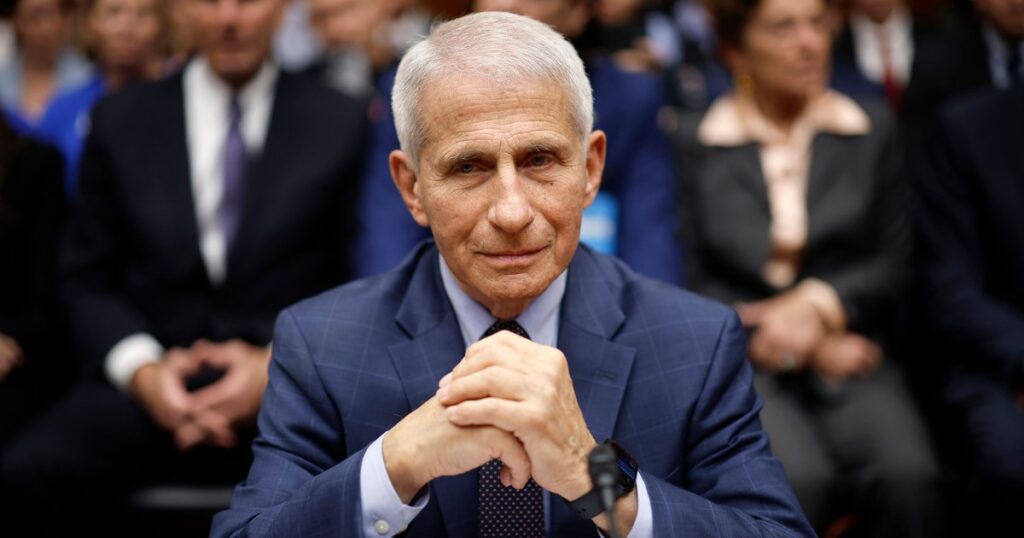
Table of Contents
A Critical Void in Biomedical Defense
The National Institute of Allergy and Infectious Diseases (NIAID), the primary federal arm responsible for researching and fighting the world’s most lethal pathogens, is currently operating without a permanent director. This leadership vacuum comes at a precarious moment, as new outbreaks of the Ebola virus continue to challenge global health security and strain the capacity of international response teams.
For decades, the NIAID was synonymous with the singular presence of Dr. Anthony Fauci. His tenure provided not only a level of institutional stability but also a direct, high-profile conduit to the White House and global health organizations. Now, as the institute navigates a landscape defined by emerging zoonotic threats and the lingering volatility of the post-pandemic era, the lack of a confirmed leader is beginning to manifest as a strategic liability.
The Cost of Institutional Inertia
The NIAID is not merely a research body; it is the engine that drives the development of vaccines and therapeutics for high-consequence pathogens. When an Ebola outbreak occurs, the speed of the response depends on the institute’s ability to rapidly pivot funding, authorize clinical trials in conflict zones, and coordinate with the World Health Organization (WHO) and the CDC. Without a permanent director, these decisions often fall to acting officials who may lack the political capital or the mandate to make the sweeping, high-stakes calls required during a crisis.
Industry insiders suggest that the absence of a steady hand at the top has led to a palpable hesitation in long-term strategic planning. While the day-to-day laboratory work continues, the broader vision for “Pandemic Preparedness 2.0″—which involves integrating AI-driven protein folding and rapid mRNA scaling—risks becoming fragmented. The transition from a personality-driven leadership model to a systemic one is proving more difficult than the NIH initially anticipated.
Ebola and the Testing of Current Systems
The current spread of Ebola highlights the fragility of the existing containment pipeline. Unlike the 2014 West African epidemic, the current challenge involves navigating complex geopolitical instabilities and vaccine hesitancy. The NIAID’s role in deploying experimental treatments and monitoring viral mutations is essential, yet the institute remains in a state of administrative limbo.
The irony is not lost on public health experts: the very agency designed to protect the U.S. from external biological threats is currently hampered by an internal structural failure. The delay in appointing a new director is not just a bureaucratic oversight; it is a gap in the national security infrastructure. In the world of virology, a six-month delay in leadership can translate to a six-month delay in a life-saving protocol.
The Shadow of the Fauci Era
The struggle to fill the NIAID directorship is partially a symptom of the “Fauci effect.” Replacing a figure who held the position for nearly 38 years is an almost impossible task. Any successor must not only be a world-class scientist but also a political navigator capable of surviving the current hyper-polarized environment in Washington, D.C.
The search for a new leader has become an exercise in risk aversion. The NIH is looking for a candidate who can command the respect of the scientific community while avoiding the political lightning rod status that defined the latter years of Fauci’s career. However, the Ebola virus does not wait for the perfect political candidate. The biological clock of an outbreak operates on a timeline that is fundamentally incompatible with the slow pace of federal appointments.
As the virus spreads and the casualty counts rise in affected regions, the NIAID’s continued residence on the sidelines serves as a warning. The intersection of biomedical research and government administration is where lives are saved, but only if there is someone at the helm capable of steering the ship.