The ‘Angry Call’ Cycle: Why Leaked Friction Between Trump and Netanyahu Rarely Shifts US Policy
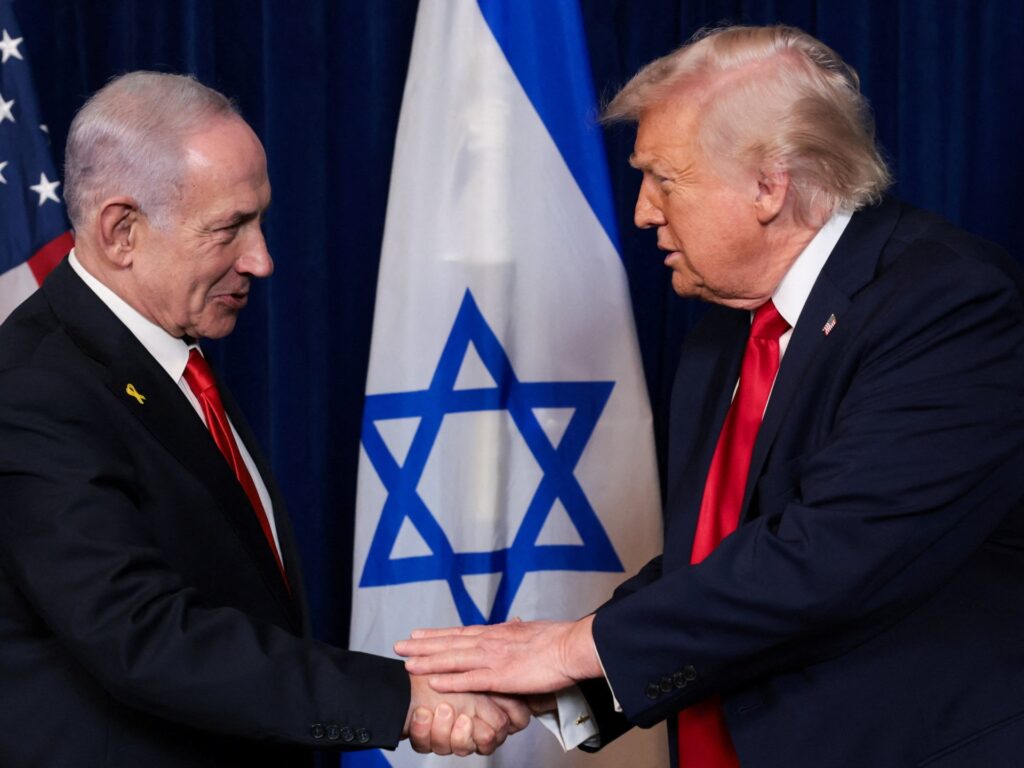
Table of Contents
The Pattern of the ‘Furious’ Phone Call
It is a recurring beat in Washington reporting: a leak, often sourced from an anonymous official, describing a high-tension phone call where the U.S. President berates the Israeli Prime Minister. The language is usually visceral. Most recently, Axios reported that Donald Trump called Benjamin Netanyahu “f***ing crazy” in a reaction to Israel’s intensifying operations in Lebanon.
This narrative echo is strikingly familiar. In early 2024, similar reports surfaced regarding Joe Biden, claiming he was “running out of patience” with the Israeli government as the conflict in Gaza intensified. Across two administrations with vastly different ideological foundations, the script remains the same: private fury, public support, and an unchanging flow of military aid.
For those tracking the actual mechanics of U.S. foreign policy, these reports are increasingly viewed as performative rather than pivotal. While the rhetoric in these leaked conversations suggests a rift, the strategic output—weapon shipments, diplomatic cover at the UN, and joint military ventures—suggests a lockstep alignment.
Rhetoric as a Diplomatic Tool
Analysts suggest these leaks serve a specific domestic and international function. Negar Mortazavi, a senior fellow at the Center for International Policy, argues that leaking a “tough” conversation allows the White House to manage public perception without altering the status quo. By framing the President as a strongman who yells at his allies, the administration can quell domestic outrage over unpopular military engagements while continuing the policy itself.
“It’s a way of moderating the blame at the U.S. for continuing this war,” Mortazavi notes. “The message it sends is: ‘Look, we’re very angry at Israel. We yell at them.’ But that doesn’t change the facts on the ground.”
Beyond domestic optics, some experts believe these leaks are signals intended for third parties. Ryan Costello, policy director at the National Iranian American Council Action (NIAC), suggests that the latest report of Trump’s anger may be a calculated signal to Tehran. By distancing himself rhetorically from Netanyahu’s specific escalations in Lebanon, Trump may be attempting to insulate U.S. interests from the fallout of Israeli strikes that risk a wider regional conflagration.
The Disconnect Between Words and Weapons
The gap between the leaked anger and the actual policy is most evident in the numbers. Since October 2023, the U.S. has provided nearly $25 billion in military aid to Israel. Even as reports circulated that the White House was “scolding” Netanyahu for ceasefire violations in Gaza, the material support remained uninterrupted.
Isabelle Hayslip of the rights group DAWN highlights the contradiction. She argues that the image of a president exerting authority over Israeli actions is contradicted by outcomes where Netanyahu consistently secures his primary objectives. This suggests that the “dressing-down” is a diplomatic formality rather than a meaningful exercise of leverage.
The Strategic Stakes in Lebanon
The current tension centers on the fragile truce established in April and the subsequent Israeli push into southern Lebanon. While Trump publicly claimed that both Israel and Hezbollah representatives had agreed that “all shooting will stop,” Netanyahu immediately countered by asserting that the Israeli military would “continue to operate as planned.”
This direct contradiction of the President’s public statement underscores a recurring theme: the U.S. executive branch often finds itself in a reactive position, attempting to manage the narrative of an ally’s actions rather than directing them. With Iranian officials reportedly cutting off contact with Washington following the Lebanese escalation, the U.S. is navigating a volatile environment where gasoline prices and inflation—driven by instability in the Strait of Hormuz—are turning a foreign policy issue into a domestic political liability for the Trump administration.
Ultimately, the reports of expletive-laden calls may provide a glimpse into the emotional volatility of the Oval Office, but they provide very little insight into the actual trajectory of U.S. power in the Middle East.