ISS Crew Retreats to SpaceX Dragon as Russian Module Leaks Trigger ‘Safe Haven’ Protocol
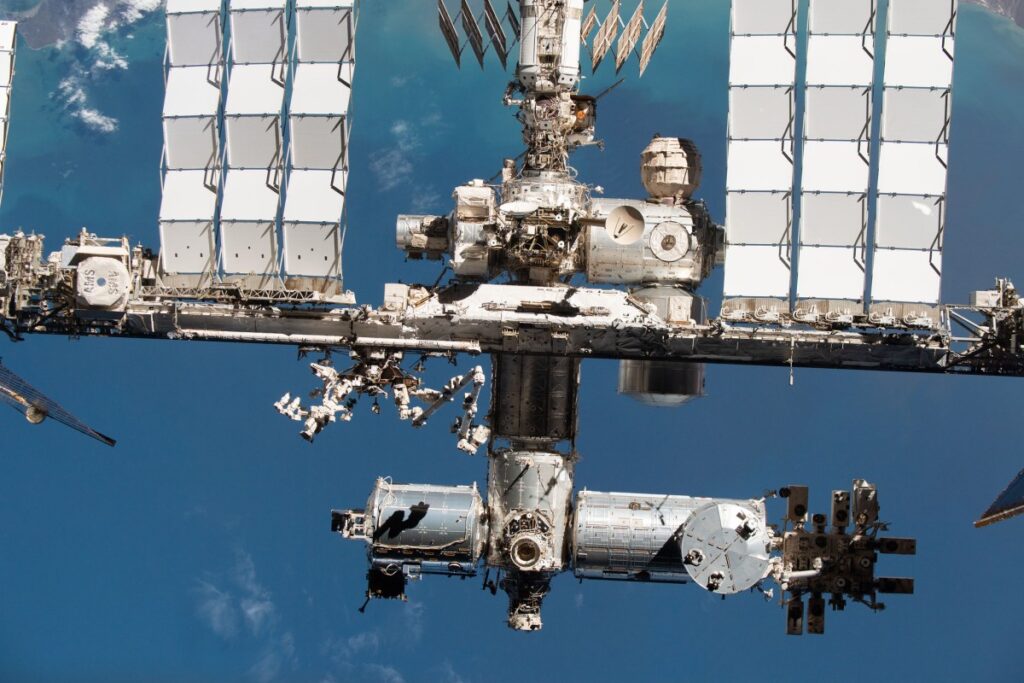
Table of Contents
Emergency Protocols Triggered on the ISS
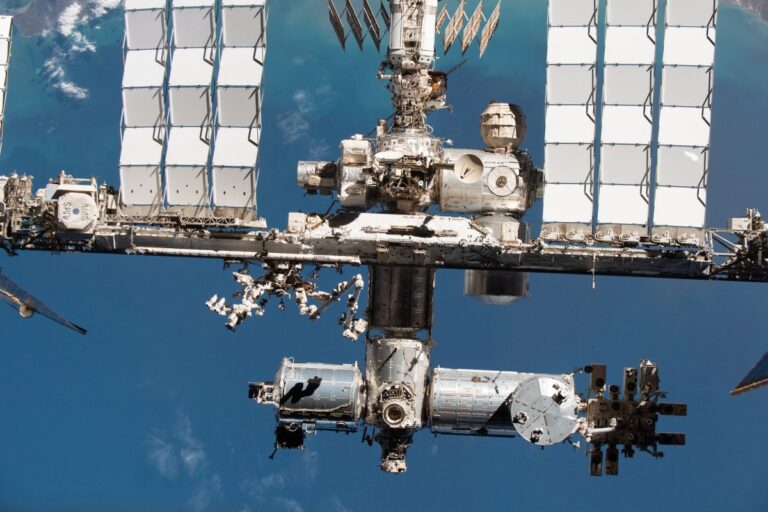
The precarious nature of living in low Earth orbit was once again on display Friday, as NASA directed five astronauts to abandon their posts on the International Space Station (ISS) and retreat into the safety of a docked SpaceX Crew Dragon spacecraft. The move, described by NASA as an “elevated safety posture,” was triggered after Russia’s space agency, Roscosmos, identified new leaks within a Russian service module.
The sudden shift to “safe haven” procedures highlights the persistent technical fragility of the aging station. NASA spokesperson Bethany Stevens confirmed via X that Roscosmos had detected fresh leaks, prompting the decision to launch an “extensive repair operation.” For the crew, the Crew Dragon serves as more than just a taxi; in emergencies, it acts as a lifeboat, providing a sealed, independent environment should the main station lose atmospheric integrity.
The order affected four members of the SpaceX Crew-12 mission and NASA astronaut Chris Williams. While the shelter was brief—lasting roughly an hour—the incident underscores the high-stakes coordination required between the U.S. and Russia, despite deepening geopolitical tensions on Earth.
The Volatility of Russian Hardware
The situation shifted rapidly. Shortly after the evacuation order, Stevens reported that Roscosmos had paused the repair efforts to collect more measurements and data. With the immediate repair stalled for analysis, NASA instructed the crew to end the safe haven procedures and return to their standard duties aboard the station.
This is not an isolated incident. The Russian service modules have been plagued by air leaks for some time, a recurring headache for mission control in both Houston and Moscow. According to Stevens, these cracks have “always been a concern that NASA watches very closely.” The fact that a leak could trigger a full-crew evacuation suggests that the degradation of the station’s hull is reaching a critical point where “watching closely” may no longer be sufficient.
Currently, the ISS is home to 10 people. The population is a mix of long-duration residents, including the Crew-12 team that arrived in February, and a separate group that arrived last November via a Russian Soyuz mission. The reliance on the Dragon spacecraft as a primary emergency shelter further cements SpaceX’s role as the indispensable safety net for NASA’s orbital operations.
A Catalyst for Deorbiting the ISS
These recurring hardware failures arrive at a pivotal moment for the future of human spaceflight. The ISS is effectively a legacy system, and its mounting maintenance costs are becoming harder to justify. Under the leadership of new administrator Jared Isaacman, NASA is accelerating plans to transition from a government-operated outpost to a commercially driven orbital economy.
The agency is now pushing to replace the aging station with commercially produced modules by the end of the decade. The strategy involves outsourcing the infrastructure of low Earth orbit to private companies, mirroring the transition NASA made with crew transport by hiring SpaceX and Boeing. If the Russian segments continue to exhibit structural instability, the timeline for the ISS’s retirement may be moved forward.
For now, the crew has returned to their research, but the brief scramble for the Dragon serves as a stark reminder that the International Space Station is entering its twilight years, battling a slow leak of both air and institutional viability.