DOJ Scraps $1.8 Billion ‘Anti-Weaponization’ Fund, But Maintains Tax Protections for Trump Family
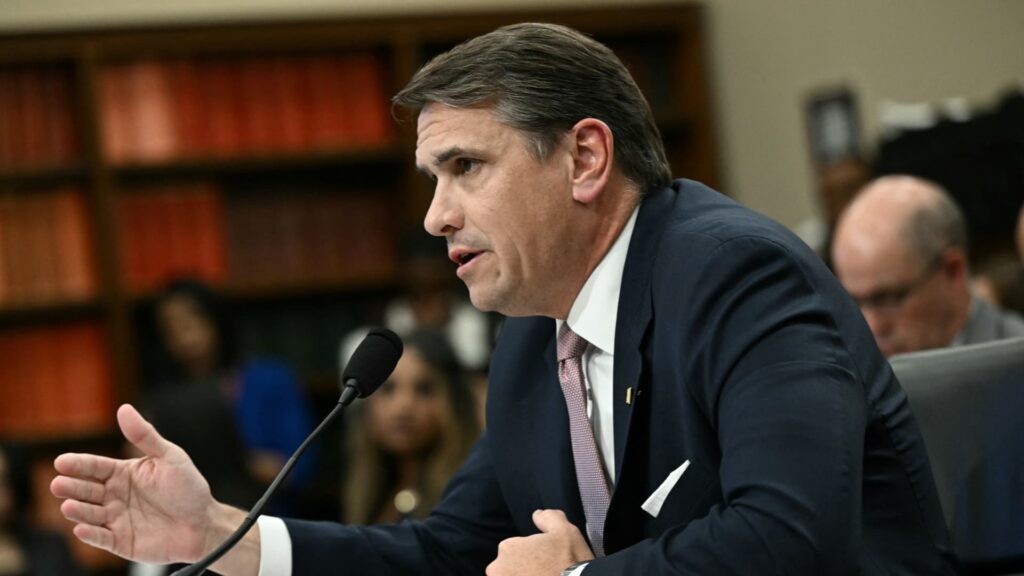
Table of Contents
The $1.8 Billion Fund That Wasn’t
The Department of Justice has permanently shelved plans for a massive $1.8 billion compensation fund designed to counter the alleged ‘weaponization’ of government agencies. The move, confirmed by acting Attorney General Todd Blanche during testimony before a House Appropriations Subcommittee on Tuesday, marks the end of a highly contentious effort to settle a lawsuit filed by Donald Trump against the Internal Revenue Service.
Despite the dissolution of the fund, the legal shield surrounding the former president remains intact. Blanche confirmed that Donald Trump, his family members, and associated business entities continue to be protected from tax audits and enforcement actions regarding returns filed prior to last month’s out-of-court settlement. This specific carve-out ensures that past financial scrutinies—some of which could have resulted in significant liabilities—will not be revived.
A Settlement With No Definition
The controversy centers on a May 19 addendum to the settlement, a document signed by Blanche himself just one day after the deal was initially announced. Beyond the tax protections, the addendum introduces a broad and vaguely defined prohibition: it bars the DOJ from prosecuting Trump or his associates in cases based on what it terms “Lawfare and/or Weaponization.”
The lack of legal precision in these terms has drawn sharp criticism from lawmakers. Because the settlement does not define what constitutes “weaponization” or what specific conduct is covered, critics argue it creates a subjective legal vacuum that could shield individuals from legitimate prosecution if the DOJ deems the charges politically motivated.
The Conflict of Interest Debate
The testimony quickly pivoted from policy to personal ethics. Rep. Rosa DeLauro (D-Conn.) challenged Blanche on his prior role as Trump’s personal defense attorney, noting that the Save America PAC paid him nearly $10 million between March and December 2024. DeLauro characterized the tax protections as a “tax immunity” worth approximately $100 million, citing New York Times estimates of Trump’s potential liability under previous IRS audits.
Blanche pushed back against the “immunity” label, arguing that closing out ongoing audits is standard practice in IRS settlements. He maintained that the agreement is not a “forward-looking document” and does not provide a blanket pass for future legal or regulatory infractions.
Political Skepticism and Judicial Pressure
The DOJ’s decision to drop the fund follows a series of legal challenges and a federal judge’s order that temporarily blocked its operation. While Blanche told Rep. Grace Meng (D-N.Y.) that the department would not relaunch the fund “period,” he notably refused to put that promise in writing. This hesitation has fueled skepticism among both Democrats and some Republicans.
The fund had faced an unlikely coalition of opponents. Some Republican senators expressed concern over the lack of legislative oversight, while others feared the fund could be used to pay individuals convicted of participating in the January 6 Capitol attack—provided those individuals claimed they were victims of a “weaponized” justice system.
The uncertainty persists even among GOP leadership. Speaking from the CNBC CEO Council Summit, Senator Bill Cassidy (R-La.) admitted he remained unconvinced that the weaponization fund was truly dead, suggesting that without a written guarantee or legislative kill-switch, the possibility of its revival remains an open question.