Apple Cuts the Cord: macOS 27 ‘Golden Gate’ Officially Ends Intel Support
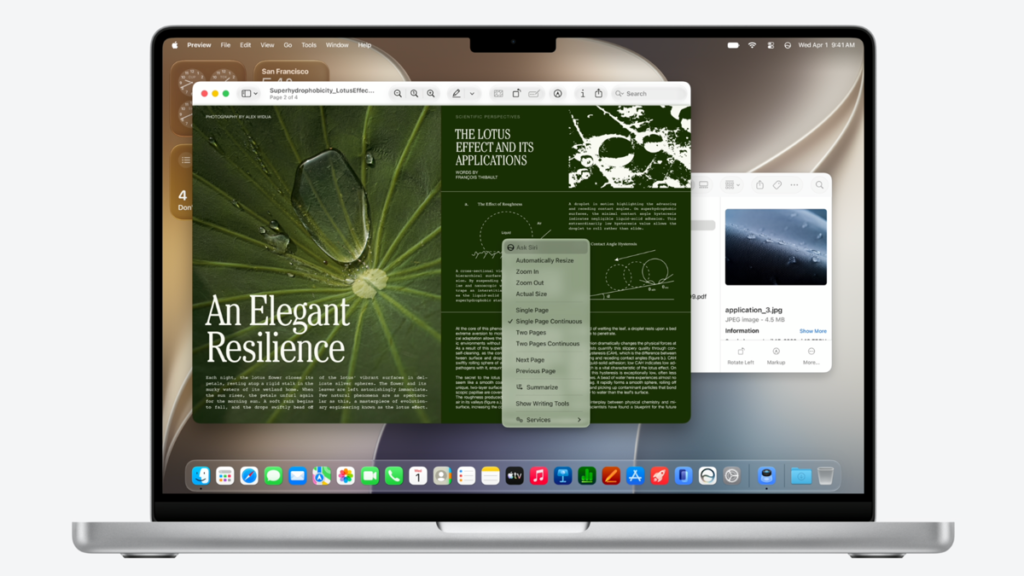
Table of Contents
The Final Transition
Apple has officially closed the chapter on the x86 era for its laptop and desktop lineup. During the opening keynote of WWDC on Monday, the company unveiled macOS 27, internally codenamed “Golden Gate,” confirming that the new operating system will exclusively support Apple Silicon. While Apple had previously signaled that macOS 26 would be the final stop for Intel-based machines, this latest announcement transforms that warning into a hard reality for millions of users.
The move isn’t merely a matter of hardware age, but of architectural necessity. As Apple pushes deeper into on-device generative AI, the reliance on the Neural Engine—a component absent in Intel-based Macs—has become the primary bottleneck. To run the next generation of Apple Intelligence and the revamped Siri AI assistant, the OS now requires the tight integration between the M-series SoC and the system memory that only Apple Silicon provides.
A Shift in Design and Intelligence
Beyond the compatibility cuts, macOS 27 introduces a visual overhaul known as “Liquid Glass.” This design language aims to bridge the gap between iPadOS and macOS, introducing more fluid transparency effects and a higher degree of UI customization that was previously restricted. Users can now modify the dock’s behavior and window snapping with a level of granularity that feels more like a professional workstation environment than the rigid structures of previous versions.
The headline feature, however, is the integration of the next-gen Siri. Unlike the previous iterations, this AI assistant is deeply woven into the OS kernel, allowing it to perform multi-step actions across third-party apps without needing a specific API plugin for every task. For example, a user can ask Siri to “find the budget spreadsheet from last Tuesday and email the summary to Sarah,” and the system can navigate the file structure and Mail app autonomously.
The Compatibility Divide
According to Apple’s official technical documentation released alongside the keynote, the support threshold is now firmly set at the M1 chip. This means that even the earliest transition-era machines from 2020 will continue to receive updates, while the most powerful Intel Core i9 MacBooks from 2019 are now effectively legacy hardware.
| Compatible Device | Minimum Requirement | Status |
|---|---|---|
| MacBook Air | M1, 2020 or later | Supported |
| MacBook Pro | M1, 2020 or later | Supported |
| iMac | M1, 2021 or later | Supported |
| Mac mini | M1, 2020 or later | Supported |
| Mac Studio | M1 Max/Ultra | Supported |
| All Intel Macs | N/A | Unsupported |
For those still utilizing Intel machines, the loss of macOS 27 means more than just missing out on a new aesthetic. The lack of support for new child safety tools and the latest cybersecurity patches associated with the Golden Gate kernel will eventually make these machines liabilities in a corporate or educational environment.
Market Implications
This aggressive sunsetting of Intel support is likely to trigger a significant hardware refresh cycle. Many enterprise users and creative professionals who clung to high-RAM Intel Mac Pros and MacBook Pros are now faced with a binary choice: continue using an aging OS or migrate to the M-series ecosystem. Given the performance leap in the M3 and M4 families, the incentive to upgrade is high, but it leaves a large volume of Intel hardware headed toward the secondary market or electronic waste.
Apple’s strategy is clear: by removing the overhead of maintaining a dual-architecture OS, they can optimize macOS 27 specifically for the Unified Memory Architecture (UMA), resulting in faster boot times and significantly lower power consumption during AI workloads.