Acer Bets Big on Massive Displays with Iconia Duo Tablet Refresh at Computex 2026
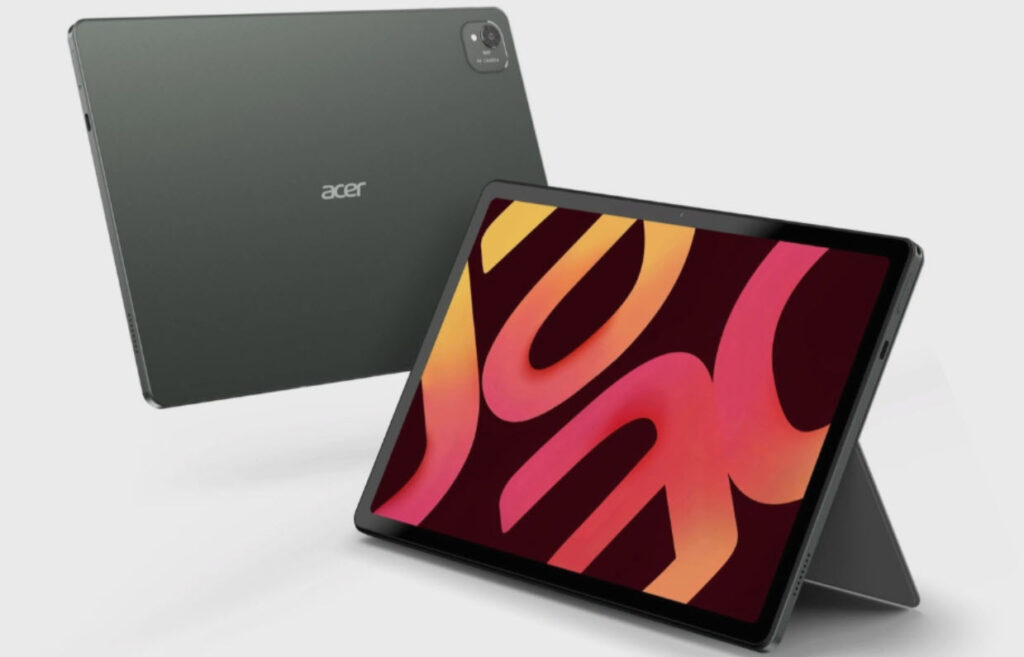
Table of Contents
Acer targets the ‘prosumer’ gap with an oversized tablet offensive
At Computex 2026, Acer signaled a clear shift in its mobile strategy, pivoting away from the generic slate format and leaning heavily into oversized, productivity-focused displays. The centerpiece of this announcement is the new Iconia Duo series, a trio of tablets designed to bridge the awkward gap between a standard handheld device and a full-fledged laptop. While the tablet market has largely plateaued into two camps—small consumption devices and the iPad Pro’s high-end professional tier—Acer is attempting to carve out a middle ground with screens that reach as large as 14.2 inches.
The flagship of the group, the Iconia Duo S14, is a direct challenge to the ultra-portable laptop market. It features a massive 14.2-inch OLED panel with a 2880 x 1840 resolution and a 120Hz refresh rate. Notably, Acer has opted for a 3:2 aspect ratio, a move that prioritizes vertical real estate for document editing and web browsing over the cinematic widescreen format typical of Android tablets. The display is color-accurate, covering 100% of the DCI-P3 gamut, though its 400-nit peak brightness suggests it is designed more for indoor studio work than outdoor visibility.
MediaTek silicon and the productivity trade-off
Under the hood, the S14 eschews the usual Qualcomm Snapdragon preference for a MediaTek Dimensity 8300. While the 8300 is a capable chip, the pairing of a 14-inch screen with a mid-to-high range processor and a maximum of 8GB of RAM suggests that Acer is positioning this as a productivity tool for light-to-medium workloads rather than a heavy-duty workstation for 4K video editing. To support the larger chassis, the S14 houses a substantial 10,000 mAh battery and includes dual USB-C ports—a critical addition for users who need to charge the device while maintaining a wired peripheral connection.
For those who find the 14-inch footprint too cumbersome, the Iconia Duo S12 offers a more balanced approach. It retains the OLED quality of its larger sibling with a 12.2-inch screen (2800 x 1840) and actually improves on brightness, hitting a peak of 600 nits. The S12 is powered by the Dimensity 7400, further cementing the line’s reliance on MediaTek’s ecosystem. Like the S14, it caps out at 8GB of RAM and 256GB of storage, mirroring the specs of a modern mid-range Chromebook.
A tiered approach to the tablet market
Rounding out the lineup is the Iconia Duo D12, which serves as the entry-point for the series. Unlike the S-series, the D12 moves away from OLED in favor of a more traditional panel with a 2400 x 1600 resolution and a 90Hz refresh rate. It is significantly lighter at 620 grams and runs on the budget-friendly Helio G99 processor. With a smaller 8MP rear camera and 5MP front camera, the D12 is clearly aimed at students and casual users who need a reliable screen for consumption and basic multitasking without the premium price tag of OLED technology.
The most telling detail across the lineup is the inclusion of stylus support and a focus on I/O, including microSD slots for expandable storage. By offering three distinct tiers—the high-end S14, the balanced S12, and the budget D12—Acer is attempting to capture a wider demographic than a single flagship device would allow. While pricing has not yet been officially disclosed, the hardware specifications suggest a tiered pricing strategy that could see the D12 competing with budget tablets from Xiaomi and Lenovo, while the S14 competes for the attention of those considering a small laptop.